

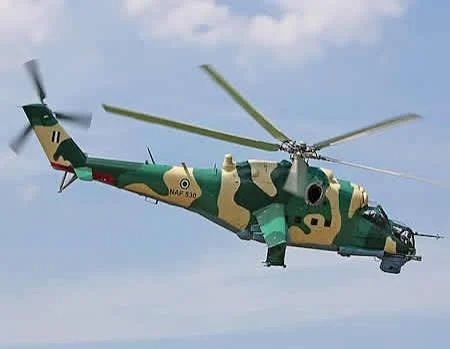
Abuja, Nigeria The Nigerian Air Force (NAF) has disclosed that it expended over 10 million litres of aviation fuel in the course of 2,900 security missions carried out across the country. The revelation underscores the enormous financial and logistical burden of Nigeria’s ongoing fight against insurgency, banditry, and other security threats.
Air Marshal Hassan Abubakar, Chief of Air Staff, made the disclosure during a recent briefing on the operational readiness of the force. He explained that the missions were conducted in support of joint military operations aimed at restoring peace and stability in troubled regions, particularly the North-East and North-West.
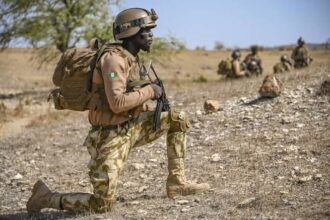
The NAF chief noted that the missions included air interdictions, surveillance, troop support, and medical evacuations. “Our aircraft have flown thousands of hours in hostile environments. The consumption of over 10 million litres of fuel reflects the intensity of our operations and the sacrifices being made to secure the nation,” Abubakar stated.
Related News
He added that the figure highlights the strain on resources, as aviation fuel prices continue to rise globally. Despite these challenges, the Air Force remains committed to sustaining operations until peace is restored.
Military analysts say the disclosure provides insight into the scale of Nigeria’s counterinsurgency efforts. “Burning 10 million litres of fuel in less than a year is a staggering figure. It shows the extent of air support required to combat insurgents and criminal gangs,” said Dr. Olumide Adeyemi, a defence analyst.
The missions have reportedly led to significant successes, including the neutralization of insurgent hideouts, disruption of supply chains, and improved protection for ground troops. However, the high cost of operations raises questions about sustainability and long-term planning.
Related News
The Nigerian government has consistently allocated substantial funds to defence, with aviation fuel forming a major component of operational expenses. Officials say international partnerships and local refineries are being explored to ease the burden.
The Air Force also emphasized the importance of modernizing its fleet to improve fuel efficiency. “We are working on acquiring more advanced aircraft that consume less fuel but deliver greater impact,” Abubakar noted.
The disclosure has sparked mixed reactions among Nigerians. While many commend the Air Force for its sacrifices, others worry about the financial implications. Civil society groups have urged the government to ensure transparency in defence spending and prioritize investments in intelligence and technology to reduce costs.
“The figure is alarming. It shows how much insecurity is draining national resources. We must ask whether there are more cost-effective ways to achieve the same results,” said a statement from the Centre for Democracy and Development (CDD).
Despite the challenges, the NAF insists that its operations are yielding results. The force pledged to continue supporting ground troops and collaborating with other security agencies to dismantle criminal networks.
As Nigeria grapples with persistent insecurity, the disclosure serves as a reminder of the heavy toll—both human and financial—of the fight against insurgency. For the Air Force, burning 10 million litres of fuel is not just a statistic but a testament to its commitment to defending the nation.