A Nigerian national has been identified as a suspected intermediary in a $330 million international drug trafficking case in India, following a massive seizure of methamphetamine and heroin from an Iranian vessel in the Arabian Sea. The case highlights the growing complexity of transnational narcotics networks linking Africa, South Asia, and Pakistan.
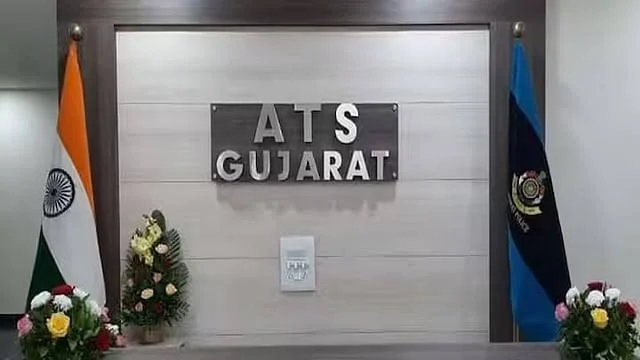
Authorities in Gujarat, India, confiscated 526kg of narcotics — 400kg of methamphetamine and 126kg of heroin — during a joint operation by the Gujarat Anti-Terrorism Squad (ATS) and the Indian Coast Guard on September 25, 2026.
The Nigerian national is alleged to have acted as a middleman between a Gujarat-based fugitive and members of a wider trafficking network.
Related News
Investigators believe the syndicate is tied to Pakistan-based trafficker Haji Salim, a figure long suspected of orchestrating cross-border drug shipments.
Surveillance revealed a planned meeting between the Nigerian suspect and a wanted Indian trafficker in Ahmedabad.
Acting on this intelligence, the Coast Guard intercepted an Iranian boat northwest of Lakshadweep, uncovering the narcotics.
Related News
Five Pakistani nationals aboard the vessel were detained. The boat was also found carrying a Starlink device, allegedly used to maintain communication with handlers in Pakistan.
The drugs were reportedly intended for Punjab and northern India, with a transfer route involving fishing boats and the Tamil Nadu coast.
This case adds to a growing list of Nigerians implicated in cross-border drug trafficking, particularly in Asia. Reports show that Nigerian syndicates often exploit visa loopholes, courier networks, and hawala channels to sustain operations.
Despite repeated arrests, the pipeline of narcotics remains active, underscoring the resilience of these networks.
The case demonstrates how traffickers leverage multiple jurisdictions to evade detection.
Devices like Starlink highlight the increasing use of advanced communication tools by criminal groups.
Continued involvement of Nigerians in such cases risks damaging the country’s global image and complicating diplomatic relations.
This $330 million seizure is not just a local Indian case but part of a larger transnational drug trade connecting Nigeria, Pakistan, and South Asia. For Nigeria, it raises urgent questions about youth recruitment into cartels, the need for stronger border intelligence, and the importance of international cooperation to dismantle these networks.