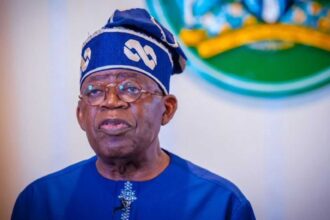


President Bola Tinubu’s directive mandating states to implement reduced transport fares through Compressed Natural Gas (CNG) buses has hit a wall in most parts of Nigeria. The initiative, launched to cushion citizens against soaring petrol prices, was expected to deliver immediate relief. Yet, weeks after the October 1 deadline, only a handful of states have recorded tangible progress.
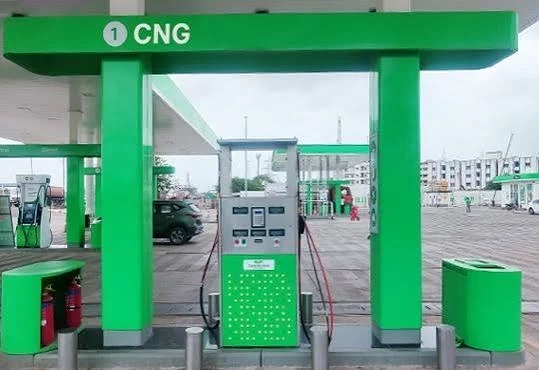
The National Affordable CNG Transit Programme was designed to leverage Nigeria’s abundant gas reserves, reduce reliance on petrol, and slash transport costs nationwide. Tinubu’s administration envisioned a rapid rollout, with states tasked to ensure fare reductions by early October.
The plan was ambitious: lower fares, ease inflationary pressure, and demonstrate Nigeria’s capacity to harness alternative energy. But the uneven implementation has exposed deep infrastructural and administrative gaps.
Related News
Kaduna: Introduced 100 CNG buses, offering free rides initially and saving commuters billions in transport costs.
Borno: Reduced fares to ₦50–₦100 compared to ₦300–₦600 charged by petrol-powered operators.
Oyo: Cut Lagos–Ibadan fares from ₦8,000 to ₦3,200, a significant relief for intercity travelers.
Related News
Adamawa: Halved long-distance fares, easing travel for students and traders.
Plateau: Government buses now charge ₦200 instead of ₦500, offering affordable urban mobility.
These states demonstrate that with political will and infrastructure, CNG adoption can deliver measurable benefits.
In contrast, many states—including Enugu, Anambra, Delta, Imo, Sokoto, Kebbi, Jigawa, Gombe, Edo, Ondo, Osun, and Ogun—have failed to implement fare reductions. Transport unions in these regions argue they have not received CNG buses, while commuters lament that petrol-powered vehicles remain the only option.
Several factors explain the uneven rollout:
Infrastructure gaps: Refuelling stations and conversion centres remain scarce outside major cities.
Limited coverage: Subsidised buses operate only on select routes, leaving rural and peri-urban commuters untouched.
Union resistance: Transport unions claim exclusion from the programme, limiting adoption.
Economic pressures: Rising costs of spare parts and maintenance continue to push fares upward, even for CNG buses.
Commuters in states with active CNG deployment express cautious optimism, noting that reduced fares have eased daily expenses. However, civil society groups like HURIWA argue that the initiative is insufficient, calling for broader reforms in Nigeria’s energy and transport sectors. They insist that without a nationwide infrastructure plan, CNG buses will remain symbolic rather than transformative.
Tinubu’s directive underscores the tension between federal ambition and state-level execution. While some states have embraced the programme, the majority remain stuck in old patterns, leaving Nigerians to bear the brunt of rising transport costs. Unless infrastructure gaps are addressed and states commit to implementation, the promise of affordable CNG transport risks becoming another unfulfilled reform.