
The recent Supreme Court ruling on the interpretation of Nigeria’s Electoral Act has unsettled the Peoples Democratic Party (PDP) and several opposition candidates, sparking fresh debates about its implications for future elections.
The apex court delivered its judgment on provisions relating to the conduct of primaries and the submission of candidates’ names to the Independent National Electoral Commission (INEC). The ruling clarified that political parties must strictly adhere to the timelines and procedures outlined in the Electoral Act, or risk disqualification of their candidates.
Legal experts say the decision reinforces INEC’s authority and strengthens the framework for internal party democracy. However, opposition parties, particularly the PDP, have expressed concern that the ruling could affect their candidates in ongoing election petitions and future contests.
Party officials argue that the judgment places additional burdens on opposition parties already grappling with internal disputes. They fear that strict enforcement of the ruling could lead to disqualification of candidates over technicalities, thereby weakening their chances against the ruling party.
A senior PDP member described the ruling as “a wake-up call” but warned that it could be exploited to sideline opposition voices. He stressed that while compliance with the law is essential, the judiciary must also ensure that justice is not reduced to procedural rigidity.
Opposition candidates across different states have voiced similar concerns. Some noted that the ruling could be used to challenge their candidacies in court, especially in cases where party primaries were marred by disputes or delays.
Political analysts believe the judgment will reshape how parties conduct their primaries. They note that the ruling sends a clear signal that the era of lax compliance with electoral guidelines is over. According to them, parties must now prioritize transparency and strict adherence to timelines to avoid legal setbacks.
The ruling has also reignited discussions about the need for electoral reforms. Civil society groups argue that while the judgment strengthens the law, Nigeria’s political system requires deeper reforms to ensure inclusiveness and fairness. They point to recurring issues such as internal party conflicts, imposition of candidates, and lack of accountability as challenges that go beyond legal interpretation.
INEC has welcomed the ruling, describing it as a boost to its mandate of ensuring credible elections. Officials say the judgment will help enforce discipline among political parties and reduce the number of pre-election disputes brought before the courts.
Meanwhile, the PDP and other opposition parties are reportedly reviewing their internal processes to align with the court’s interpretation. Party leaders have urged members to remain vigilant and ensure that future primaries are conducted in full compliance with the law.
As Nigeria prepares for upcoming elections, the Supreme Court’s ruling is expected to shape political strategies across the board. For the PDP and opposition candidates, the challenge lies in balancing internal party dynamics with strict legal requirements.
Observers say the ruling underscores the judiciary’s growing influence in Nigeria’s electoral process. While it has unsettled opposition parties, it also presents an opportunity for political actors to strengthen internal democracy and restore public confidence in the electoral system.
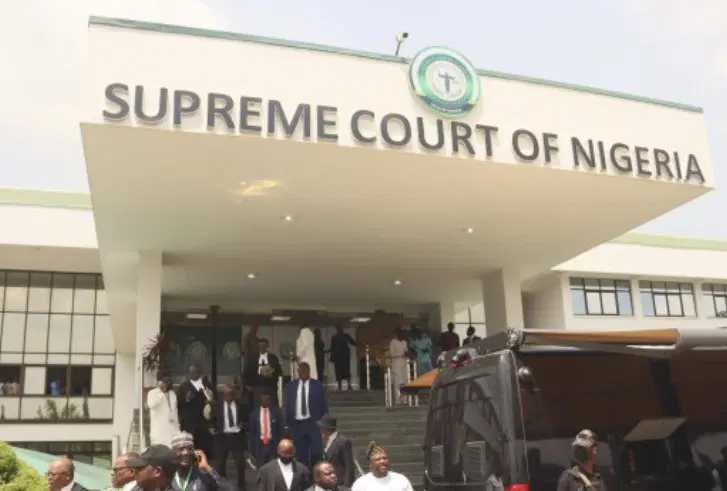
Supreme Court Ruling on Electoral Act Stirs Anxiety in PDP



Leave a Comment