

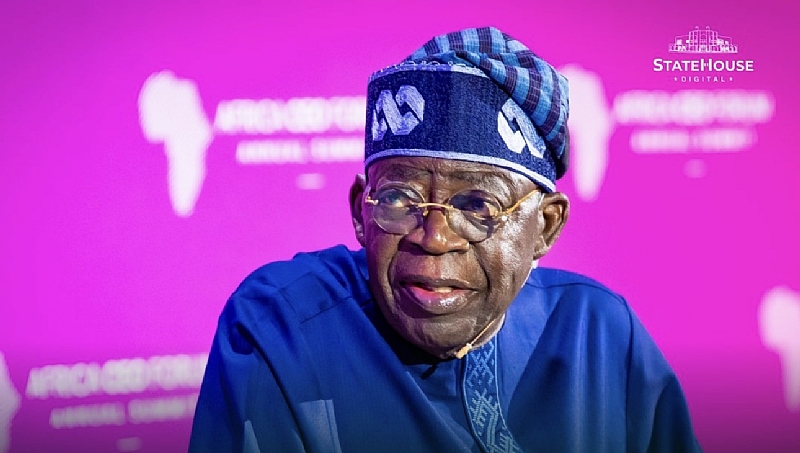
ABUJA — President Bola Tinubu has tasked all Ministries, Departments, and Agencies of the federal government to accelerate the adoption of digital operations. He said the government’s target is a fully paperless public service that operates efficiently and transparently across all federal institutions.
The directive was issued on Thursday through the Office of the Secretary to the Government of the Federation. Tinubu said Nigeria cannot afford to continue running a paper-based government in an era of digital transformation. He said digital tools reduce corruption, improve service delivery, and save government money.
“We are moving toward a paperless government. Every MDA must have a clear digital transition plan. This is not optional. It is a priority directive from the President,” the SGF’s office said in the circular.
Related News
The directive covers procurement, correspondence, financial reporting, and citizen services. MDAs are required to submit digital transition plans within 60 days. The office of the SGF will review each plan and set implementation timelines with ministerial oversight.
Why This Matters
Nigeria’s public sector has long been characterised by manual, paper-based processes that are slow, costly, and prone to manipulation. Government contracts, budget approvals, land registrations, and citizen identity records are still largely paper-based in many agencies. This creates massive inefficiency and opportunities for corruption.
Related News
In addition, the government’s new Smart National Transport Databank, approved by the Federal Executive Council earlier this week, requires digital infrastructure across multiple agencies. A paperless directive creates the enabling environment for such data-driven initiatives to function effectively.
Furthermore, several Nigerian states have already made progress on digital government. Lagos State has digitised land registry and tax collection. Kaduna and Edo have improved IGR through digital platforms. The federal government is now trying to match and exceed these state-level achievements.
Challenges to Implementation
However, digital transformation of federal MDAs faces significant obstacles. Many agencies lack the hardware, software, and skilled personnel needed to transition to digital operations. Reliable electricity and internet connectivity are also inconsistent across government offices outside Abuja.
Cybersecurity is another concern. A fully digitised government creates more attack surfaces for hackers and fraudsters. The CBN’s June 10 cybersecurity deadline for banks reflects the broader challenge of securing digital systems. Government agencies will need to invest seriously in cybersecurity alongside digitisation.
Technology experts welcomed the directive but urged the government to set realistic timelines and provide adequate funding. They warned that poorly implemented digitisation projects could create new problems while failing to solve the old ones. A clear, funded, and monitored implementation plan is essential for the directive to produce real results.