


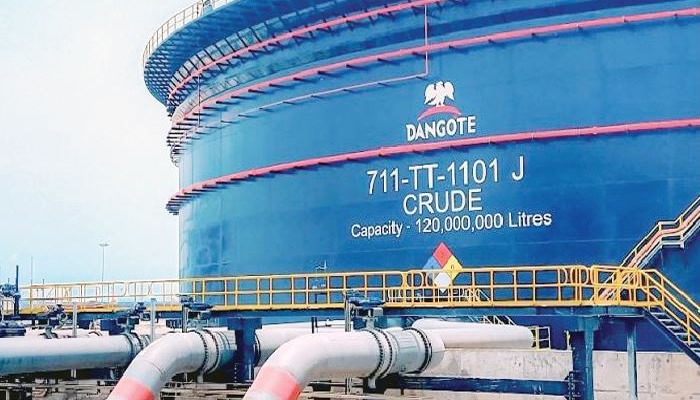
LAGOS, May 14, 2026 — Nigeria’s crude imports have dropped sharply as the Dangote Petroleum Refinery and other local refineries sourced approximately 18 million barrels of crude oil from domestic producers in recent months. The development signals a significant shift in how Nigeria manages its energy supply chain.
The Punch Newspapers reported on Thursday that the reduction in imported crude has helped ease pressure on Nigeria’s foreign exchange market and improved local fuel availability. The Dangote Refinery, located in Lagos, has a capacity of 650,000 barrels per day and is the largest single-train refinery in the world.
Officials at the Nigerian National Petroleum Company Limited confirmed that the domestic sourcing push is part of a broader strategy to reduce import dependence and retain more value within Nigeria’s oil sector. The NNPC has been working closely with the refinery to ensure a steady supply of crude.
Related News
Aliko Dangote, chairman of the Dangote Group, said this week that he abandoned plans to buy English Premier League club Arsenal in order to focus resources on completing the refinery project. He said the decision has paid off for Nigeria’s economy.
The refinery began producing aviation fuel for airlines earlier this year. Dangote Refinery announced it would sell jet fuel directly to airlines at N1,820 per litre, a move aimed at stabilizing the aviation sector which has long struggled with high fuel costs.
Energy experts say the domestic crude sourcing push is also benefiting Nigeria’s balance of payments. By reducing the need to import refined petroleum products, Nigeria spends less foreign exchange on fuel, which in turn helps stabilize the naira.
Related News
The NNPC quietly trimmed its shareholding in the Dangote Petroleum Refinery from 20 percent to a lower stake in recent months, a move that has sparked discussion among industry watchers about the long-term ownership structure of the facility.
Nigeria’s petrol consumption rose to 51.1 million litres per day in April 2026, according to government data. Officials say the increase reflects growing economic activity and rising vehicle ownership, and that domestic refining capacity is expected to keep pace with demand growth.
Analysts say the refinery’s full impact on Nigeria’s economy will become clearer over the next 12 to 18 months as production ramps up further and export markets are developed.