

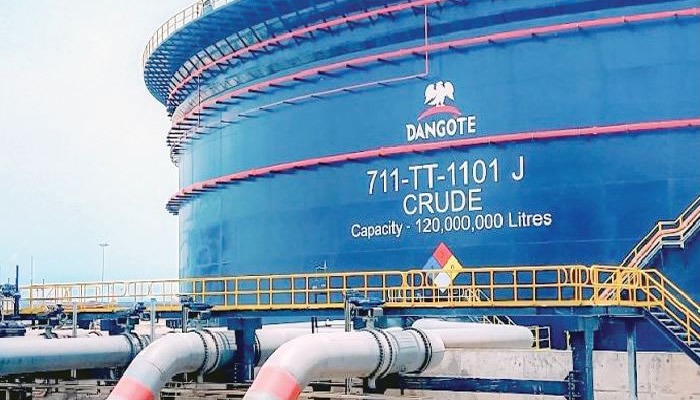
A few years ago, most Nigerians saw the Dangote Petroleum Refinery as a project that was always “almost ready.” A big promise that had not yet delivered. Today, it is being credited with helping to stabilise the country’s currency — and economists are calling it the “Dangote Effect.”
What Happened to the Naira
Cast your mind back to early 2025. One dollar was buying over N1,600 on the open market. The situation felt out of control. By May 2026, the rate sits comfortably between N1,350 and N1,430, with barely half a percent of daily movement. For a country that lived through multiple currency crises, that calm is remarkable.
Related News
The Connection to the Refinery
For decades, Nigeria — Africa’s biggest oil producer — spent billions of dollars every year importing refined fuel. Petrol, diesel, aviation fuel. All imported. All paid for in dollars. All putting pressure on the naira.
The Dangote Refinery, running at 650,000 barrels per day, has changed that equation. Less fuel is being imported. That means less demand for dollars to pay for it. Less dollar demand means less pressure on the naira. The logic is straightforward — and the data is backing it up.
Related News
The Caution
Analysts are careful not to call this a permanent fix. Nigeria still has a massive debt problem, a large budget deficit, and an economy that needs structural reform beyond one refinery. The CBN’s own discipline in maintaining tight monetary policy is also playing a role.
Still, for a country that has been through a great deal of economic pain, the stability of the naira in 2026 is a real, tangible development that is making life slightly more predictable for businesses and households alike.