

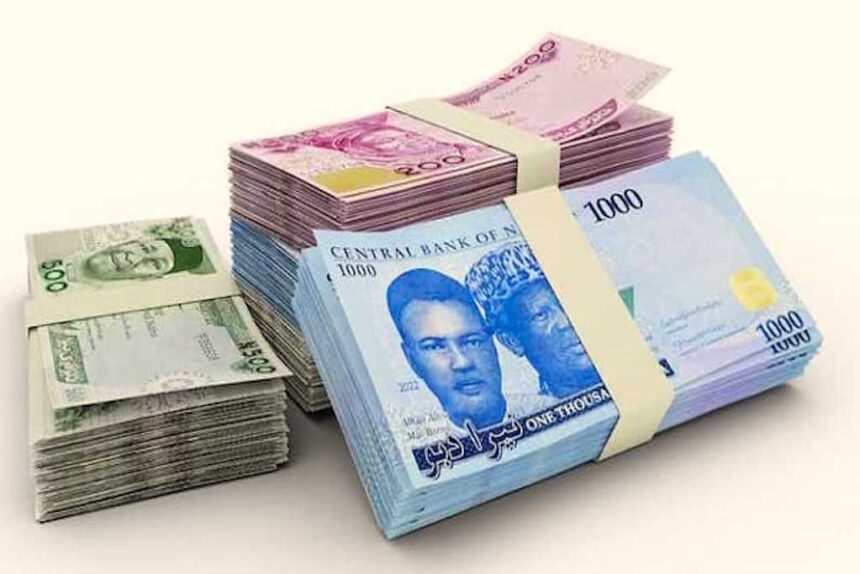
LAGOS — The Nigerian naira has depreciated slightly against the US dollar in both the official and parallel markets. The local currency slipped to N1,395 per dollar in the parallel market on Tuesday. That compares to N1,390 recorded the previous Friday.
In the Nigerian Foreign Exchange Market, the official window, the naira also weakened. The rate moved to N1,373.5 per dollar, according to data from the Central Bank of Nigeria. The movement is modest but signals renewed pressure after a period of relative stability.
CBN data shows the euro was trading at N1,600.49 against the naira as of Monday, May 18. The rate had started the month at N1,598.96, showing a marginal increase of 0.10 percent for the month so far.
Related News
Currency analysts say the renewed demand pressure is partly driven by importers seeking dollars ahead of mid-year procurement cycles. Several industries including manufacturing, pharmaceuticals, and retail typically build dollar reserves in the second quarter to cover import needs.
Context: Still Improved
Despite the slight dip, the naira remains significantly stronger than its 2025 lows. The currency had weakened to above N1,600 per dollar in the official market during the first quarter of 2025. The Dangote Refinery and improved oil revenues have since helped stabilise it.
Related News
Furthermore, S&P Global’s credit rating upgrade of Nigeria on May 16 signalled improved confidence in the country’s economic management. That upgrade could attract fresh foreign portfolio investment in the coming weeks, which would support the naira.
However, the CBN is watching the market carefully. Officials say they stand ready to intervene if speculative trading begins to drive the rate significantly beyond current levels. The bank’s monthly FX turnover reached $10 billion in April 2026, giving it strong capacity to intervene.
Outlook
Market analysts say the naira is unlikely to see dramatic movement in the short term. The fundamentals supporting it, including the refinery, improved reserves, and tighter regulation, remain in place.
In addition, the approaching 2027 election season could introduce some political pressure on the exchange rate. Governments often increase spending ahead of elections, which can fuel inflation and currency weakness. The CBN has said it will maintain its tight monetary policy stance regardless.
Ordinary Nigerians continue to feel the impact of naira weakness in daily life. Food prices remain elevated and imported goods are still expensive. The government says inflation is on a downward trend, but the pace of reduction remains slower than most households would hope.