

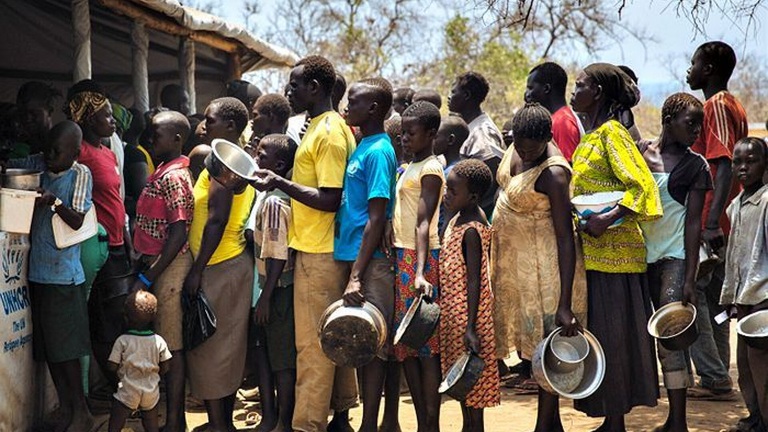
Seventeen million people. Nine conflict-affected states. Hunger at its worst level in nearly a decade. Northern Nigeria is facing a food emergency that is being outpaced by its own insecurity.
More than 17 million people across nine conflict-affected states in northern Nigeria are facing severe hunger as violence, displacement, and funding cuts push food insecurity to its highest level in almost a decade, according to the United Nations World Food Programme. The figures, reported by OkayAfrica on July 2 and carrying continued relevance this week, expose the devastating intersection of security crisis and humanitarian catastrophe that has taken hold across Nigeria’s most conflict-affected region.
The Compounding Factors
Related News
Food insecurity in northern Nigeria is not simply a consequence of drought or poor harvests. It is a direct product of insecurity. Bandit attacks have driven farmers off their land across multiple states, reducing agricultural output in a region that was historically one of Nigeria’s most productive food-growing areas. Displacement has separated hundreds of thousands of families from the land and livelihoods they depended on.
Funding cuts from international humanitarian organisations, as global donor priorities shift and geopolitical pressures redirect aid budgets, have further reduced the safety net available to the most vulnerable households. Furthermore, the WFP notes that violence, displacement, and funding constraints are all simultaneously intensifying, creating a compounding crisis that individual interventions cannot resolve in isolation.
Children Bear the Greatest Burden
Related News
Malnutrition among children under five is among the most visible and devastating consequences of the food insecurity crisis. Nasarawa State recently committed N500 million to fight child malnutrition, a recognition that the problem has reached a scale requiring dedicated state-level investment. However, N500 million against a 17-million-person food emergency across nine states illustrates the gap between the resources available and the resources required.
Stunted growth, impaired cognitive development, increased susceptibility to disease, and preventable childhood deaths are all consequences of sustained malnutrition in early childhood. These outcomes have multi-generational effects on the communities experiencing them, embedding disadvantage into future populations in ways that are difficult and expensive to reverse.
What Needs to Happen
Addressing northern Nigeria’s hunger crisis requires simultaneously reducing the insecurity that drives displacement and disrupts farming, increasing humanitarian funding from both domestic and international sources, investing in agricultural support and market access for smallholder farmers who have been displaced, and scaling nutrition interventions for the most vulnerable households.
No single actor, whether federal government, state government, or international organisation, can deliver all of those interventions simultaneously. What is required is exactly the kind of coordinated, sustained, multi-actor response that Nigeria has historically struggled to maintain when the immediate media attention on any given crisis begins to fade. For 17 million people, the stakes of getting this coordination right could not be higher.