

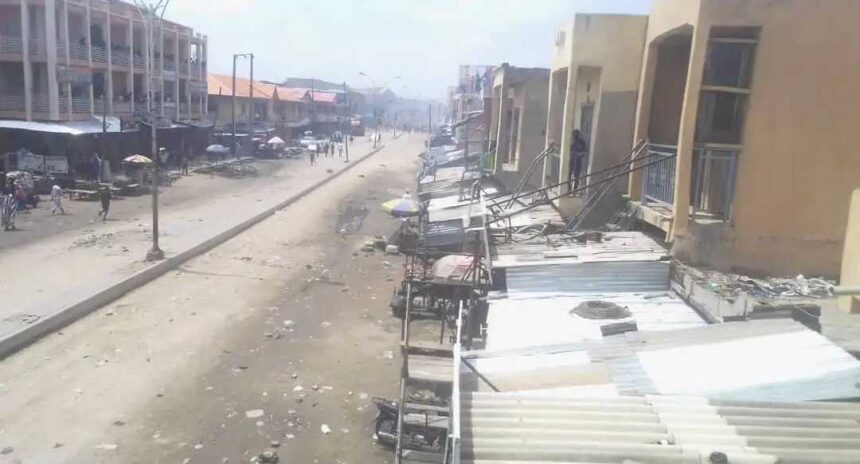
They came to trade. They found their stalls in rubble. And now they want answers.
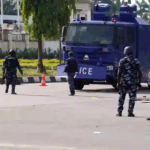
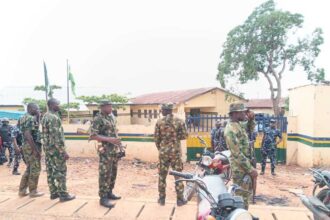
Traders in Kano State have staged protests following the demolition of a market by military authorities citing security concerns. The action, which left hundreds of traders without their means of livelihood, has sparked a tense standoff between affected market operators and security forces and raised important questions about how counterterrorism and anti-banditry operations intersect with the economic lives of ordinary Nigerians.
What Happened
Related News
Military authorities moved on the market, which security sources described as a location being used by criminal elements as a supply and logistics point. The demolition was carried out without what traders describe as adequate prior notice or adequate compensation arrangements. Hundreds of stalls, including those of traders who had no knowledge of or connection to any criminal activity, were destroyed in the operation.
Traders took to the streets in protest, citing the destruction of their property and the loss of income that supports their families. Many said they had invested their life savings in their market stalls. Furthermore, the short notice of the demolition gave them no time to remove their goods before the operation began.
The Security Justification
Related News
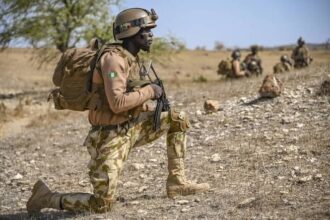
Military authorities maintain that the market had been identified through intelligence as a node in the supply chain used by armed groups operating in the northwest. The recovery of weapons and communication equipment in previous operations in the area had pointed to commercial spaces being used as cover for criminal logistics networks.
However, the manner of the demolition has drawn criticism from human rights organisations and civil society groups, who argue that even legitimate security operations must be conducted in ways that minimise harm to uninvolved civilians. Compensation and resettlement support for affected traders are among the demands being made.
A Wider Tension
The Kano market demolition reflects a tension that is present across Nigeria’s security landscape. Military and police operations designed to disrupt criminal networks often take place in spaces that ordinary Nigerians also depend on — markets, transport routes, farms, and community gathering points.
Managing that tension — maintaining operational effectiveness while protecting civilian livelihoods — is one of the defining challenges of Nigeria’s counter-insecurity effort. The traders of Kano deserve to have their losses acknowledged and addressed. That is not a security weakness. It is a governance obligation.