

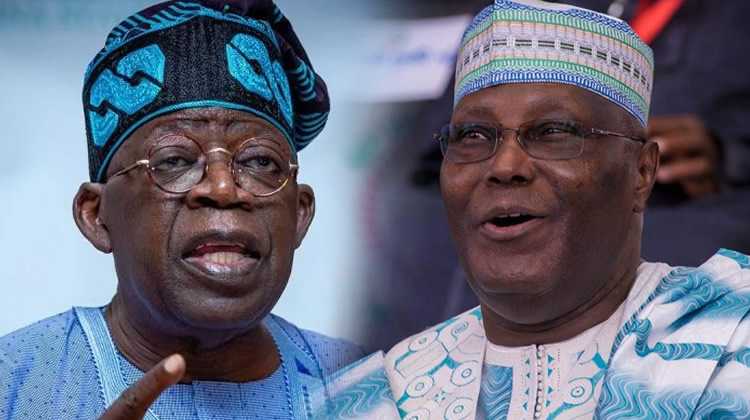
The removal of fuel subsidy in Nigeria has sparked a fresh political debate between President Bola Tinubu and former Vice President Atiku Abubakar, with both leaders presenting sharply contrasting views on the policy’s impact.
Tinubu, who announced the end of fuel subsidy shortly after assuming office, has defended the decision as necessary to stabilize Nigeria’s economy. He argued that subsidy payments drained public finances and encouraged corruption, leaving little room for investment in infrastructure and social programmes.
Speaking at a recent economic forum, Tinubu said: “Nigeria cannot continue to spend trillions subsidizing fuel while critical sectors like education, healthcare, and security remain underfunded. Removing subsidy is a step toward fiscal responsibility.”
Related News
Atiku, however, has criticized the move, describing it as poorly implemented and insensitive to the plight of ordinary Nigerians. He argued that while subsidy removal may be inevitable, the government failed to provide adequate measures to cushion the impact on citizens.
In a statement, Atiku noted: “The removal of subsidy without a clear plan for palliatives has worsened hardship. Nigerians are paying more for fuel, transportation, and food, yet there is no relief in sight.”
Analysts say the debate reflects broader concerns about governance and economic management. While many agree that subsidy removal was long overdue, they argue that the government must balance fiscal reforms with social protection.
Related News
The policy has already triggered sharp increases in fuel prices, leading to higher transportation costs and inflation. Labour unions have staged protests, demanding wage adjustments and stronger support for workers.
Civil society groups have also weighed in, urging the government to prioritize transparency in managing savings from subsidy removal. They argue that Nigerians must see tangible improvements in infrastructure and social services to justify the policy.
Economists note that subsidy removal could free up significant resources for development if managed properly. However, they caution that without effective planning, the benefits may be overshadowed by rising poverty and public discontent.
For Tinubu, the challenge lies in convincing Nigerians that the policy will deliver long-term gains. For Atiku, the debate offers an opportunity to position himself as a voice for citizens grappling with economic hardship.
As the controversy continues, the fuel subsidy debate has become a defining issue in Nigeria’s political and economic discourse, highlighting the tension between reform and public welfare.