


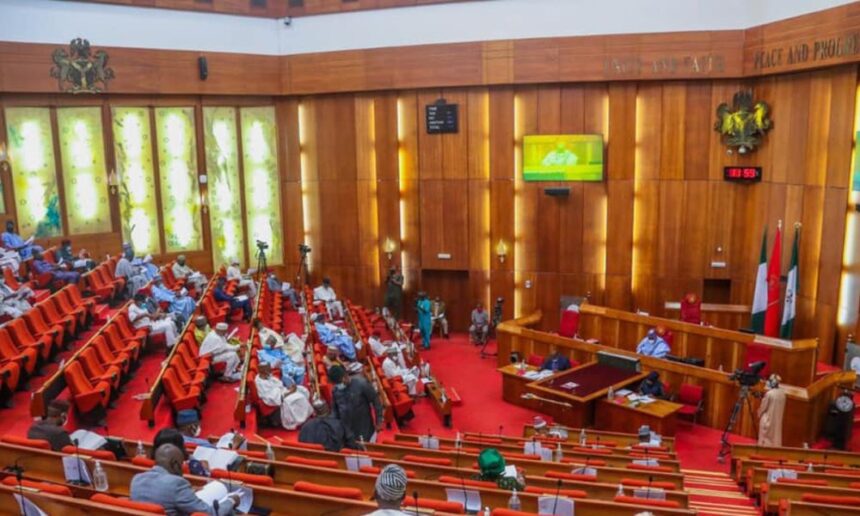
Five state assemblies have voted in favour of the proposed State Police Bill, while 31 others are yet to take a position. The development was confirmed during a legislative update on constitutional amendments. Lawmakers emphasized that the bill seeks to decentralize policing and improve security across Nigeria. The endorsement marks an important step in the legislative process. However, the majority of assemblies are still deliberating on the proposal.
Calls for state police have grown louder in recent years as insecurity continues to challenge Nigeria’s centralized policing system. Advocates argue that local control of security would enhance responsiveness to community needs. Previous attempts to introduce state police stalled due to political disagreements. The current bill is part of wider constitutional reforms aimed at strengthening governance. Its progress reflects renewed momentum in addressing Nigeria’s security crisis.
The constitutional amendment requires approval from at least 24 of Nigeria’s 36 state assemblies before it can advance. So far, five assemblies have given their consent, meeting initial legislative requirements. The bill outlines frameworks for recruitment, training, and oversight of state police forces. It also proposes safeguards to prevent abuse of power by governors. Lawmakers stressed that the measure is designed to complement, not replace, federal policing. The next phase depends on further assembly votes.
Related News
Supporters of the bill hailed the endorsements as a breakthrough for security reform. Civil society groups urged more assemblies to act swiftly, citing rising insecurity nationwide. Critics, however, warned that state police could be politicized and misused by local leaders. Security experts emphasized the need for strong accountability mechanisms. Citizens expressed mixed feelings, balancing hopes for improved safety with fears of potential abuse. The debate continues to divide opinion across the country.
Analysts believe state police could reduce the economic toll of insecurity by protecting businesses and communities more effectively. Improved security may encourage investment and revive local economies. Strategically, decentralizing policing could ease pressure on federal forces and enhance intelligence gathering. However, funding state police structures could strain budgets in weaker states. The long‑term impact will depend on transparent implementation and adequate resources. The bill’s passage could reshape Nigeria’s security architecture.
The State Police Bill remains at a critical stage, with only five assemblies endorsing it so far. For the proposal to succeed, at least 24 assemblies must give approval. Nigerians are watching closely as debates unfold in state legislatures. The outcome will determine whether the country adopts a decentralized policing model. The coming weeks will reveal if momentum builds or stalls. Ultimately, the decision will shape Nigeria’s approach to tackling insecurity.