


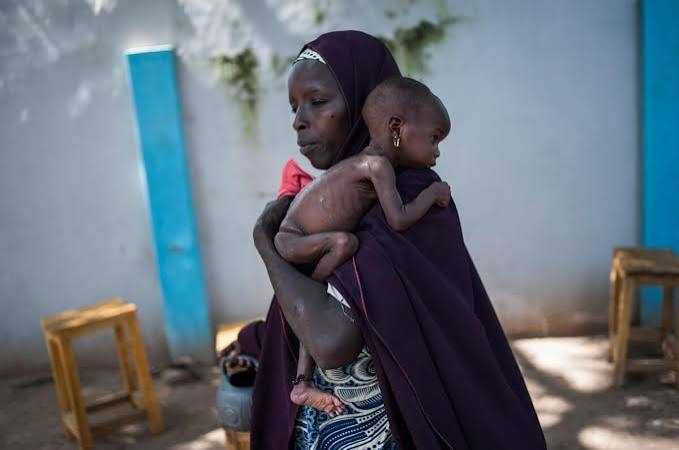
The International Committee of the Red Cross (ICRC) has reported an alarming 18 percent rise in child malnutrition cases across Nigeria’s North‑East. The humanitarian body linked the surge to ongoing conflict and displacement in the region. According to officials, thousands of children are being pushed into hunger as families struggle to access food. The ICRC disclosed the figures in its latest humanitarian update. The development underscores the worsening crisis in conflict‑hit communities.
The North‑East has endured over a decade of insurgency, leaving millions displaced and dependent on aid. Previous reports highlighted widespread food insecurity due to disrupted farming and trade. Humanitarian agencies have consistently warned of the dire consequences for children. Malnutrition has remained a persistent challenge despite government and international interventions. The latest figures show the crisis is deepening. The ICRC’s findings reflect the fragile state of nutrition in conflict zones.
ICRC officials explained that the rise in malnutrition is tied to limited access to healthcare and food supplies. Many families in rural areas have been cut off by insecurity, making aid delivery difficult. The organization has scaled up feeding programs and medical support in affected communities. It also called for stronger collaboration with local authorities to reach vulnerable populations. The report emphasized the need for urgent action to prevent further deterioration. The ICRC pledged continued monitoring and assistance.
Related News
Humanitarian groups expressed concern over the findings, urging immediate intervention. Health experts warned that untreated malnutrition could lead to long‑term developmental issues in children. Civil society organizations called on the government to prioritize food security in conflict‑affected regions. Local leaders appealed for more support to displaced families. Citizens voiced frustration over the slow pace of relief efforts. The report has sparked renewed debate on Nigeria’s humanitarian response capacity.
Analysts noted that rising malnutrition undermines productivity and weakens human capital in the region. The crisis could strain Nigeria’s healthcare system and increase dependency on international aid. Economically, food insecurity hampers agricultural recovery and local markets. Strategically, failure to address malnutrition may fuel instability and prolong conflict. The ICRC warned that the humanitarian burden will grow without decisive action. The implications extend beyond the North‑East to national development.
The ICRC’s report highlights the urgent need to tackle child malnutrition in Nigeria’s conflict‑affected North‑East. With cases rising by 18 percent, the situation demands coordinated efforts from government, aid agencies, and communities. The coming months will be critical in determining whether interventions can stem the crisis. Nigerians await stronger measures to protect vulnerable children. The humanitarian challenge remains a test of resilience and leadership.