

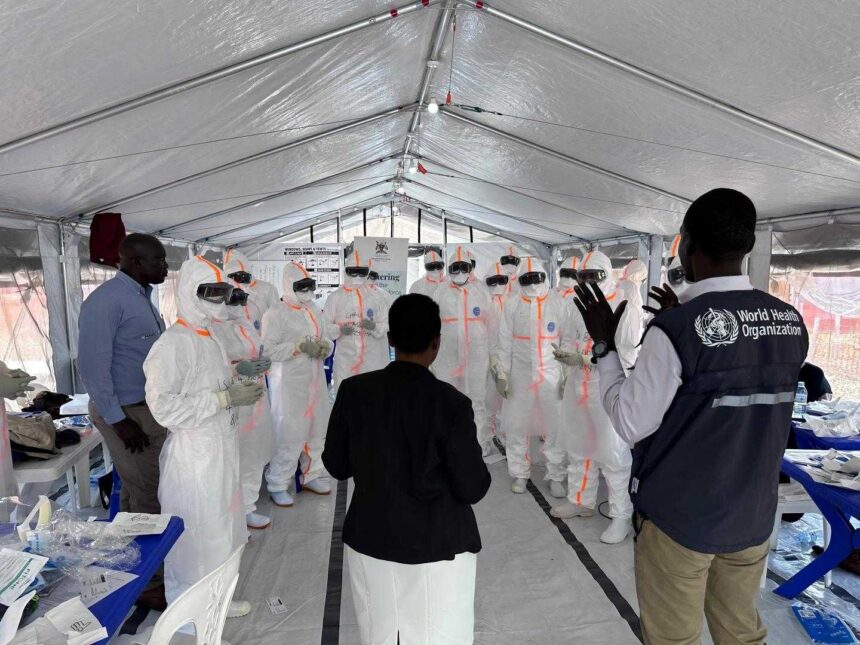
GENEVA — The World Health Organisation has declared the ongoing Ebola outbreak in the Democratic Republic of Congo and Uganda a Public Health Emergency of International Concern. The declaration is WHO’s highest level of global health alert. It triggers international obligations for all member states to strengthen preparedness and response.
The current outbreak is caused by the Bundibugyo strain of the Ebola virus. It has claimed over 80 lives since it was first detected. The spread of the virus from DRC into Uganda has alarmed health authorities because Uganda shares borders with multiple other countries.
WHO Director-General Tedros Adhanom Ghebreyesus said the declaration is necessary given the speed of spread and the weaknesses in the health systems of affected countries. “We are taking this step to mobilise global support and ensure the world responds in a coordinated way,” Tedros said at a press conference in Geneva.
Related News
The Bundibugyo strain is less deadly than the Zaire strain that caused the devastating 2014 to 2016 West Africa outbreak. However, it is still highly dangerous. It spreads through contact with the blood or body fluids of an infected person. Early symptoms include fever, headache, and muscle pain.
Global Response
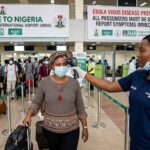
Several countries have already announced enhanced measures in response. The United States is screening air travellers from affected regions and has suspended visa processing at select consular posts in DRC. European nations have introduced health screening at airports for travellers from the region.
Related News
Furthermore, Nigeria’s NCDC has raised its alert level and activated enhanced surveillance. Medical scientists in Nigeria have called for urgent investment in border health screening and rural health facility readiness. The federal government has promised a briefing to the Federal Executive Council before the end of the week.
The African Union’s Africa Centres for Disease Control and Prevention has activated a continental emergency response plan. Africa CDC Director-General Jean Kaseya said the body is deploying technical teams to DRC and Uganda to support local response efforts.
What Comes Next
The PHEIC declaration means that all WHO member states must report cases promptly, implement screening at international points of entry, and share information on any suspected cases with the global health community. Failure to comply can result in international censure.
WHO is also coordinating the distribution of Ebola vaccines to affected areas. The rVSV-ZEBOV vaccine, developed during the 2014 outbreak, has proven effective against the Zaire strain. However, its effectiveness against the Bundibugyo strain is less well established. Clinical trials are being fast-tracked.
For Africa as a whole, the outbreak is a reminder of the continent’s ongoing vulnerability to infectious diseases. Experts say sustained investment in health systems, not just emergency responses, is the only long-term solution. The DRC and Uganda outbreak, if not contained quickly, has the potential to spread further across the region.