

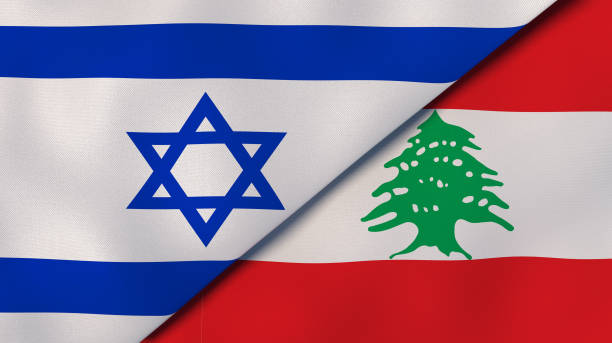
BEIRUT / JERUSALEM — Israel and Lebanon have extended their ceasefire agreement by 45 days. The US State Department announced the extension on Friday after mediating talks between the two sides. The deal comes despite a new flare-up of violence that threatened to derail negotiations.
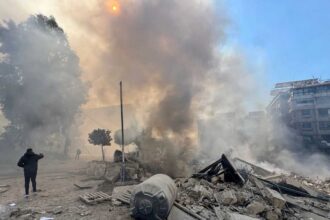
Fresh Israeli strikes hit areas of southern Lebanon hours before the extension was confirmed. The attacks triggered alarm among Lebanese officials who accused Israel of violating the spirit of the ceasefire. Nevertheless, both sides agreed to extend the truce.
US Secretary of State Marco Rubio welcomed the extension. He said American mediators worked intensively to keep both parties at the table. “A fragile peace is still a peace. We will continue working to make it durable,” Rubio said in a statement.
Related News
The ceasefire between Israel and Lebanon has been in place since late 2025. It followed a period of intense cross-border fighting that caused significant civilian casualties and displacement on both sides. The 45-day extension buys more time for a permanent agreement to take shape.
Regional Tensions Remain High
The Lebanon extension comes amid the broader Middle East conflict involving Iran. The ongoing war has disrupted global energy markets and put pressure on diplomatic relationships across the region. Both Israel and Iran are key actors in the wider conflict.
Related News
Moreover, Iranian-backed groups in Lebanon remain active. Hezbollah has maintained its military presence in southern Lebanon despite the ceasefire. Israeli officials say they will not accept a permanent peace without Hezbollah’s full withdrawal from border areas.
For Africa, the Middle East instability has direct economic consequences. The Iran war has driven up global energy prices. Nigeria and other African oil exporters have benefited from higher crude prices, but importers across the continent are paying more for fuel.
Impact on Nigeria
Nigeria’s economy has felt the dual impact of higher oil revenues and rising imported inflation. S&P Global noted in its Friday credit rating upgrade that Nigeria, as a net oil exporter, is less exposed to the Middle East conflict than most of its regional peers.
However, food and fuel prices in Nigeria remain elevated. The Iran war has contributed to global supply chain pressures that raise the cost of essential goods. The Central Bank of Nigeria is watching the situation closely as it manages monetary policy.
Observers say the Lebanon ceasefire extension is a positive development but does not resolve the deeper conflicts in the region. A lasting Middle East peace remains elusive. For now, African nations must manage the economic and diplomatic effects of the ongoing instability.