


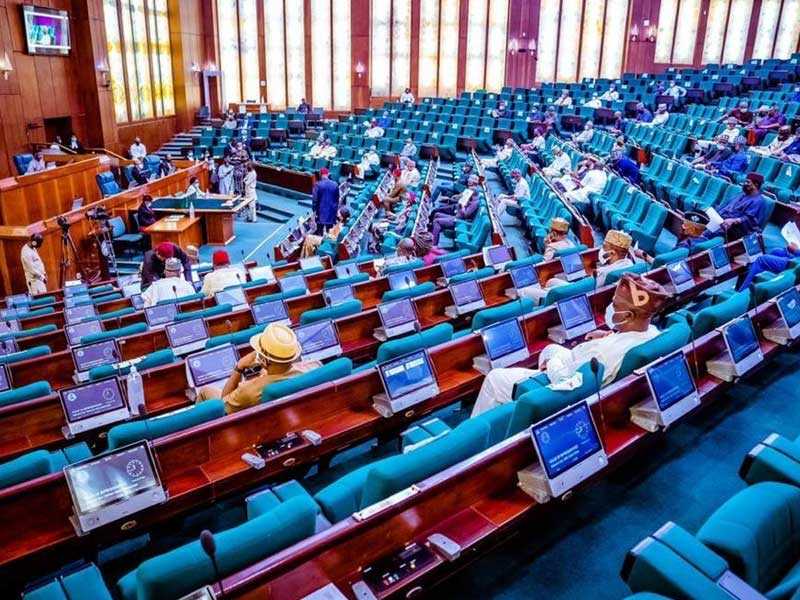
The House of Representatives passed the state police constitutional amendment bill, completing the National Assembly’s legislative stage for the landmark legislation that will create a dual federal and state policing structure across Nigeria for the first time in the country’s post-independence history.
Speaker Tajudeen Abbas presided over the House session in which lawmakers considered and adopted the bill’s provisions. The passage followed the Senate’s approval on the same day, Wednesday, June 24, 2026, giving the constitutional amendment the support of both chambers of the National Assembly in a single legislative day, an unusually efficient coordination that reflected the executive and legislative arms’ shared commitment to moving the reform forward quickly.
Safeguards Built Into the Law
Related News
Lawmakers in both chambers emphasised that safeguards built into the bill were designed to address the most common concern raised against state police, namely the risk that governors would weaponise state forces against political opponents, ethnic minorities, and critics of their administrations. The bill expressly prohibits commissioners from targeting individuals for their political views, religious affiliation, ethnicity, or personal criticism of the government.
Senate Leader Opeyemi Bamidele, who sponsored the bill on behalf of the Tinubu administration, said the prohibition on political persecution through state police was one of the most important provisions in the legislation. He said the bill created a legal framework that balanced operational decentralisation with constitutional protection for civil liberties.
State Ratification Is the Next Hurdle
Related News
However, constitutional lawyers noted that both the Senate and House passages were necessary but not sufficient for the amendment to take effect. At least 24 of Nigeria’s 36 state Houses of Assembly must now approve the bill before it can be transmitted for presidential assent and gazetted as law. Furthermore, enabling legislation to operationalise state police forces, including funding frameworks, training standards, and command structures, must then pass through the legislature as separate bills. Still, the completion of the National Assembly stage in a single day was widely described as a significant political achievement. Consequently, attention now shifts to the speed and consistency with which state assemblies process their ratification votes.