


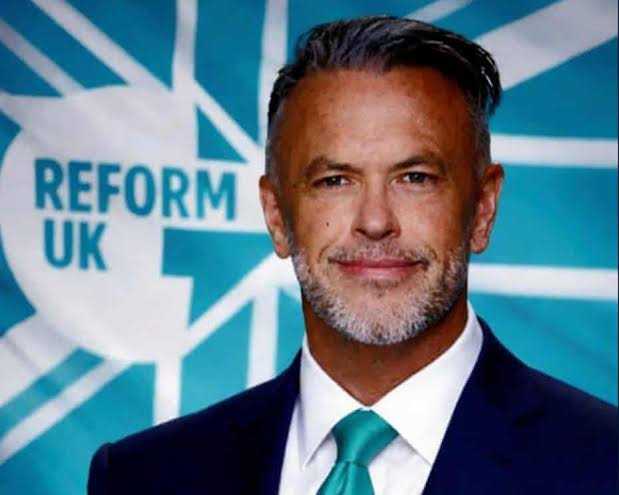
A United Kingdom court has convicted a local councillor over a social media post targeting Nigerians, in a case that members of the Nigerian community say goes beyond politics and speaks to dignity, safety and belonging.
Glenn Gibbins, a 66-year-old councillor in Sunderland and a former member of Reform UK, was found guilty at Zoe Passfield’s court at South Tyneside Magistrates’ Court after judges ruled that comments he made on Facebook were “grossly offensive”.
The case stemmed from a 2024 social media post in which Gibbins made derogatory remarks about Nigerians living in Sunderland. The post resurfaced after anti-extremism group Hope Not Hate reviewed his social media activity when he was announced as a candidate for Sunderland City Council. Authorities were later alerted after his election.
Related News
During the trial, Gibbins admitted the comment was offensive but argued that it was intended as a joke and should not have been taken literally. He described the post as “tongue-in-cheek” and “a bit naughty”.
The court disagreed. Prosecutor Emma Dowling argued that the language used in the post dehumanised Nigerians and portrayed them as less than human. The judge ultimately found the communication crossed the legal threshold for a criminal offence.
Following the conviction, the court imposed a 12-month community order and directed him to complete 150 hours of unpaid work. He was informed that he would not face a prison sentence.
Related News
For many Nigerians living in Sunderland, the controversy triggered concerns about acceptance and personal safety. Godwin Ejeh, a community leader who gave evidence during the trial, told the court that the incident caused distress within the local Nigerian community. He said many residents worried not only about themselves but also about their children.
also organised a protest outside City Hall when Gibbins was due to be sworn into office, hoping an apology would follow. Instead, the councillor had already been suspended by Reform UK after the post became public.
Addressing suggestions that the backlash was politically motivated, Ejeh told the court the matter was fundamentally about human dignity. According to him, the concerns raised by the Nigerian community were about humanity rather than partisan politics.
Despite the conviction, Gibbins’ legal team has indicated plans to challenge the verdict at the Crown Court.
The case has drawn wider attention in the UK because it highlights the consequences of online speech that targets ethnic communities. For many observers, the ruling sends a message that public figures can be held accountable when comments made online are deemed to promote hostility or strip others of their humanity.