

Nigerian courts have convicted 137 individuals for oil theft, marking one of the largest clampdowns on petroleum-related crimes in recent years. The convictions come as the Nigerian Navy uncovered and dismantled an illegal refinery in Rivers State, underscoring the scale of crude oil sabotage in the Niger Delta.
Courts Deliver Strong Verdicts
Judicial authorities confirmed that the convictions were secured after months of prosecution, with the defendants found guilty of engaging in illegal oil bunkering and related activities. The rulings highlight the judiciary’s growing resolve to support national efforts against economic sabotage.
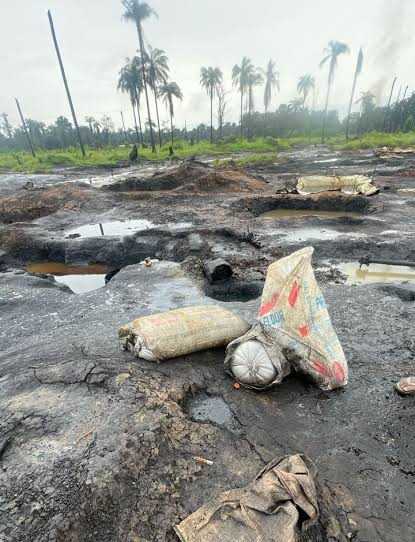
In a parallel development, the Nigerian Navy announced the discovery of a sprawling illegal refinery in Rivers State. The facility, hidden deep within the creeks, was dismantled during a coordinated operation. Navy officials explained that the refinery had been processing stolen crude oil, contributing to significant losses in national revenue.
Related News
Nigeria loses billions of naira annually to crude oil theft and illegal refining. The practice undermines government revenue, disrupts legitimate oil operations, and damages the environment. Analysts warn that unchecked sabotage could weaken Nigeria’s ability to meet production quotas and affect foreign investment in the energy sector.
Beyond economic losses, illegal refining leaves devastating environmental consequences. Spilled crude and poorly processed products pollute rivers and farmlands, threatening livelihoods in host communities. Environmentalists have repeatedly called for stronger enforcement to protect ecosystems in the Niger Delta.
The federal government has welcomed the convictions and the Navy’s operation, describing them as critical steps in restoring order to the oil sector. Officials reiterated that oil theft is a national security threat, stressing that collaboration between the judiciary, military, and communities is essential to curb the menace.
Related News
Local communities often find themselves caught between economic hardship and criminal networks. While some residents benefit from illegal refining, many suffer from pollution and insecurity. Stakeholders argue that sustainable development initiatives must accompany enforcement to provide alternatives for youths in the region.
The Nigerian Navy has vowed to intensify patrols and surveillance across waterways. Senior officers warned that anyone caught engaging in oil theft or illegal refining would face prosecution. The Navy emphasized that its operations are aimed not only at dismantling refineries but also at deterring future attempts.
The crackdown on oil theft comes amid wider efforts to tackle insecurity in Nigeria. From banditry in the North to militancy in the South, security agencies are stretched across multiple fronts. Analysts note that oil theft remains particularly damaging because it strikes at the heart of Nigeria’s economic survival.
Experts insist that beyond arrests and convictions, long-term solutions must include investment in technology, community engagement, and stricter monitoring of pipelines. Transparency in the oil sector and accountability in enforcement are also seen as vital to sustaining progress.