

The ceasefire is still young. The threats have already returned.
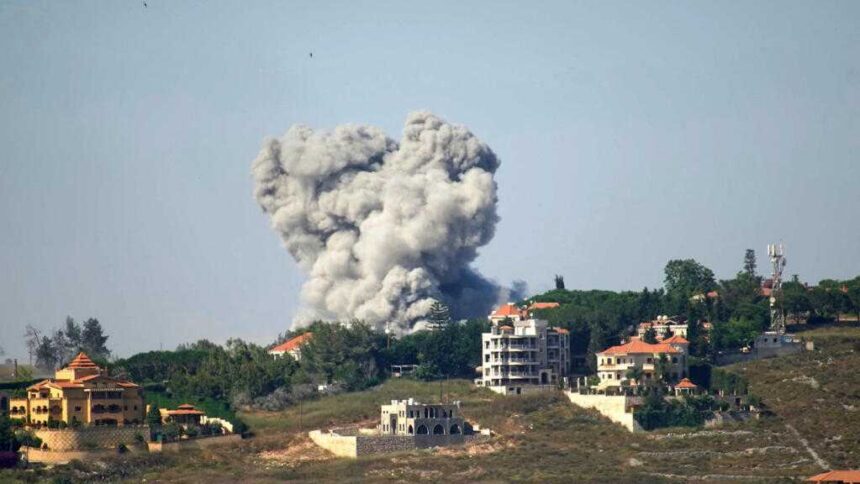
United States President Donald Trump has threatened to strike Iran again if it does not stop Hezbollah’s actions in Lebanon, casting fresh uncertainty over peace talks that had appeared to be regaining momentum. The warning arrives amid recent clashes in Lebanon and represents one of the clearest signs yet that the underlying tensions driving earlier hostilities remain far from resolved.
A Fragile Peace Tested Again
Related News
Trump’s trip to the region comes as Washington and Iran work to get technical talks back on track following their original ceasefire agreement reached earlier this year. However, recent clashes involving Hezbollah forces in southern Lebanon have raised fresh alarm, with Trump signalling that continued activity by the Iran backed group could prompt direct American action against Tehran once again.
The threat highlights how quickly progress in this region can unravel. Both the United States and Iran have continued limited military activity even while nominally observing their earlier truce, leaving little room for confidence that the situation has genuinely stabilised.
Hezbollah Complicates the Equation
Related News
Unlike the original direct conflict between Washington and Tehran, this latest tension involves a third actor that neither government fully controls. Israel’s continued operations against Hezbollah targets add yet another variable, raising the risk that any single incident could trigger a much wider escalation involving multiple parties simultaneously.
Consequently, diplomats in the region are treating the coming days with considerable caution. A misstep by any one of the involved parties could quickly undo months of careful negotiation.
The Economic Stakes for Nigeria
For Nigeria and other oil dependent economies, renewed Middle East tension carries direct financial consequences. The earlier conflict pushed global crude prices above $120 per barrel before the ceasefire brought relative calm and allowed prices to settle closer to $83. Any return to direct strikes risks reversing that stabilisation entirely.
Markets have already reacted nervously to Trump’s latest comments. As a result, Nigerian policymakers, fuel marketers, and ordinary households alike will be watching developments between Washington, Tehran, and Beirut closely over the coming days, fully aware of how directly their own cost of living depends on decisions made thousands of kilometres away.