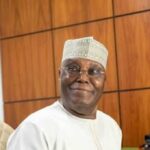


Political scientist Professor Udenta Udenta warned on Monday that President Bola Tinubu’s political standing would worsen in 2027 compared to his performance in the 2023 elections, citing what he described as cumulative governance failures, deepening insecurity, and growing public disillusionment with the administration’s ability to deliver on its Renewed Hope Agenda.
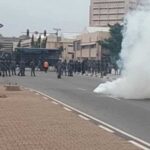
Udenta, speaking on Channels Television, said the combination of a worsening security situation, persistent economic hardship, and the political backlash generated by the unresolved Oyo school abduction crisis had significantly weakened Tinubu’s electoral position heading into 2027. He said the June 12 nationwide protests, which drew demonstrators to the streets in Lagos, Abuja, Port Harcourt, and other cities, were a visible sign of the depth of public frustration with the administration.
‘Tinubu will do worse in 2027 than he did in 2023 if the current trajectory continues,’ Udenta said, adding that the administration had underestimated the speed at which reform-related pain would translate into political opposition. He said voters who had given the President the benefit of the doubt in 2023 were running out of patience after three years of hardship.
Related News
Government Pushes Back on Pessimistic Assessment
Government supporters disputed Udenta’s assessment, arguing that macroeconomic improvements including the S&P credit rating upgrade, record external reserves crossing 50 billion dollars, GDP growth of 3.89 per cent in Q1 2026, and the reduction in inflation from its 2024 peak would all strengthen the administration’s electoral narrative as 2027 approached.
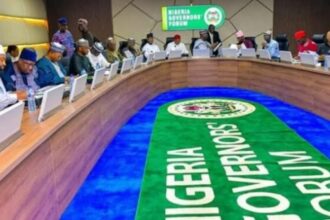
Senior APC officials said the party was fully prepared for a competitive 2027 campaign and that the structural advantages of incumbency, access to a national governorship network, and the depth of the APC’s grassroots organisation would outweigh the current public mood of frustration. Furthermore, they pointed to the expected state police constitutional amendment, the Ekiti election win they anticipated, and the planned Gombe-Biu Highway project as evidence of delivery momentum.
Related News
However, independent analysts said the gap between headline economic indicators and lived experience remained a critical political vulnerability. Still, they noted that 2027 was still more than a year away and that the political landscape could shift significantly depending on how the government handled the security situation, the economy, and the legislative agenda in the intervening months. Notably, the coming months of state police debate, tax reform legislation, and security operations would be decisive tests of the administration’s governance capacity. Consequently, the 2027 election remains genuinely open, with neither the APC’s optimism nor the opposition’s pessimism about Tinubu’s prospects yet fully supported by conclusive evidence.
Iyabo Obasanjo Quits APC Over Lack of Respect
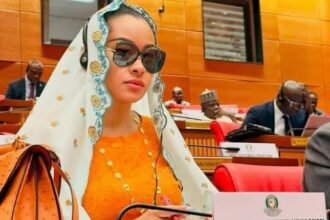
In related political news, former Ogun Central Senator Iyabo Obasanjo announced her resignation from the APC, citing what she described as a lack of respect from the party leadership. Her departure added to a trickle of defections from the ruling party as internal discontent over primaries, patronage, and party management continued to accumulate ahead of 2027. In addition, a governance expert urged all politicians to halt campaign activities and focus on addressing the security crisis gripping multiple states.