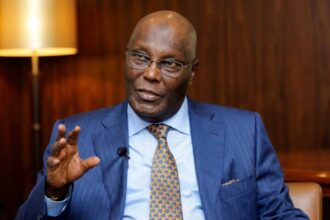


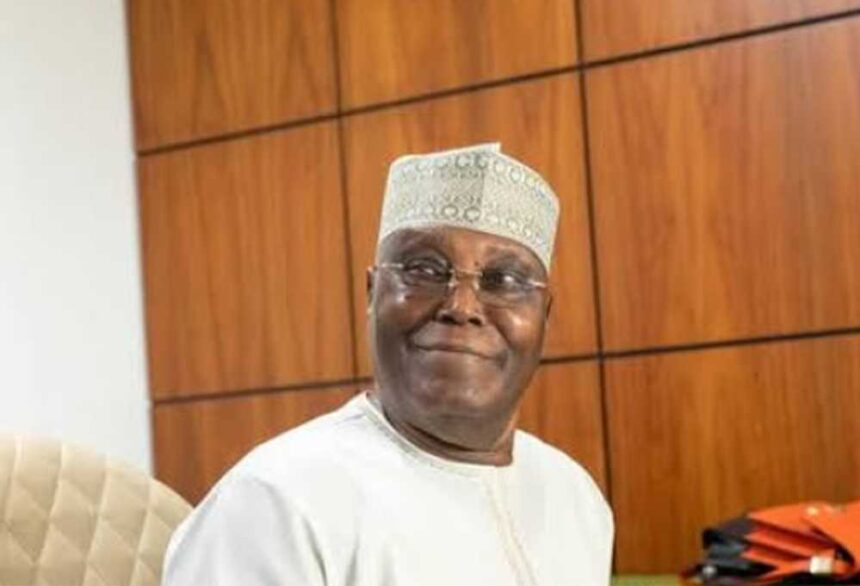
Former Vice President and African Democratic Congress presidential candidate Atiku Abubakar on Monday, June 15, 2026, criticised the federal government’s plan to issue a fresh N4 trillion bond to settle outstanding power sector debts, demanding that President Tinubu provide a full and transparent account of previously raised funds before any new borrowing was authorised for the electricity sector.
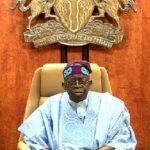
Atiku referenced President Tinubu’s Democracy Day address, in which a fresh debt-clearing initiative for the power sector was presented as part of broader reform efforts. He also cited the Federal Government’s earlier approval of a separate N3.3 trillion plan announced in 2026 to address outstanding obligations in the sector. The former Vice President said the multiplying interventions raised legitimate questions about where previous funds had gone and why the sector’s debt crisis continued to worsen.
‘Democratic governance requires transparency and accountability,’ Atiku said in a statement issued by his media team, adding that fresh borrowing should not proceed without a detailed explanation of all previous interventions, the amounts raised, how the funds were deployed, and what outcomes they produced.
Related News
Power Sector Debt Crisis Has Deep Roots
Nigeria’s electricity sector has accumulated debts estimated at over 4 trillion naira, reflecting years of underpriced electricity tariffs, non-payment by consumers and government agencies, and inadequate remittances by distribution companies to generation companies. The Association of Power Generation Companies had publicly stated that debts in the sector remained unresolved despite multiple government intervention rounds, lending credibility to Atiku’s demand for accountability.
New Power Minister Joseph Tegbe, who was sworn in earlier in June, faces the challenge of resolving the debt crisis as one of his most pressing early priorities. His predecessor Adebayo Adelabu had launched several initiatives to restructure the sector’s financial obligations, but the debts continued to grow faster than interventions could address them.
Related News
However, government officials said the N4 trillion bond was designed as a structural solution that would finally clear the backlog and allow the sector to move to a commercially viable footing. They argued that without debt resolution, generation companies could not invest in new capacity and distribution companies could not improve service delivery. Furthermore, they said the bond would be structured with clear repayment mechanisms backed by the sector’s future revenue streams. Still, critics said structural bonds of this scale required legislative scrutiny and independent audit oversight to prevent the same mismanagement that had accumulated the debt in the first place. Notably, the power sector crisis remains one of the most consequential governance failures directly affecting every Nigerian household and business. Consequently, the debate about the N4 trillion bond will likely dominate National Assembly discussions in the coming weeks.
Senate Told to Focus on Security Not Campaigns
In related political news, governance analyst Amachree urged President Tinubu and National Assembly members to stop engaging in political campaigns and focus their full attention on addressing Nigeria’s security challenges. He said the pace of political positioning for 2027 was distracting key decision-makers from urgent governance responsibilities. As a result, the tension between electioneering momentum and the demands of immediate governance is becoming increasingly visible in national political discourse.