

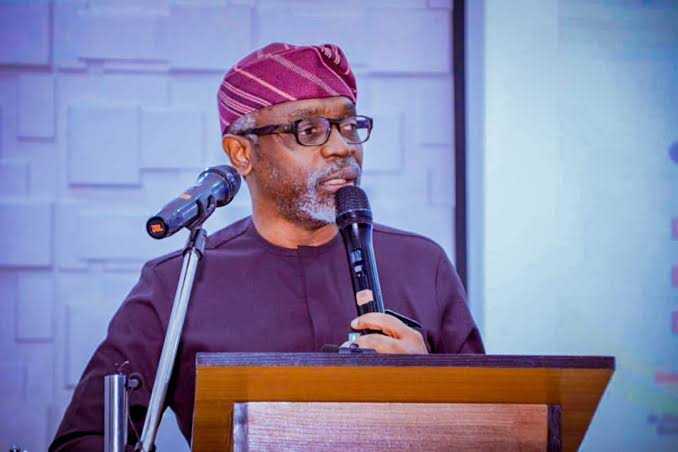
Chief of Staff to President Bola Tinubu, Femi Gbajabiamila, has openly acknowledged the economic difficulties facing millions of Nigerians, saying it would be dishonest to ignore the hardship many families are currently experiencing.
Speaking in Abuja during the unveiling of the administration’s 2027–2031 roadmap, “From Reforms to Prosperity Agenda,” Gbajabiamila said rising pressure on household budgets is a reality that government officials must recognise and address.
According to him, recent economic reforms, including the removal of petrol subsidy and the unification of the foreign exchange market, have placed a heavy burden on many Nigerians. He stressed that those affected by the changes deserve to have their experiences acknowledged rather than dismissed.
Related News
“Nobody should have to pretend that life is easy at the moment,” he said while reflecting on the impact of the policies on households across the country.
Despite admitting the challenges, the former Speaker of the House of Representatives defended the reforms, arguing that President Bola Tinubu chose to tackle long-standing economic problems rather than delay difficult decisions for political convenience.
Gbajabiamila described the President’s approach as one focused on Nigeria’s future, saying the administration believed structural weaknesses in the economy had to be addressed to create a stronger foundation for growth.
Related News
He argued that maintaining previous policies might have reduced immediate public frustration but would have done little to solve deeper economic challenges. Instead, he said, the government chose a path it believes will strengthen the country’s long-term prospects, even though the benefits may take time to become fully visible.
At the same time, he acknowledged that the success of the reforms will ultimately be judged by their effect on the daily lives of ordinary Nigerians. He said economic improvements must translate into better jobs, stronger public services and greater opportunities for citizens.
The Chief of Staff pointed to programmes in education, taxation, electricity and social support as part of the administration’s efforts to ease pressure on citizens and expand economic opportunities.
His remarks come at a time when many Nigerians continue to grapple with the high cost of living, rising prices and pressure on household incomes. By publicly recognising these concerns, Gbajabiamila sought to balance the government’s defence of its policies with an acknowledgement of the struggles people face every day.