

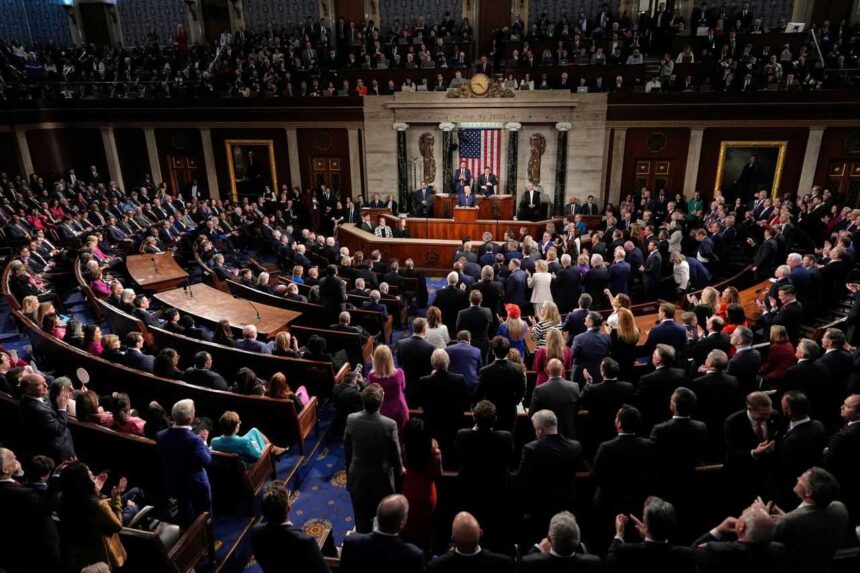
In a dramatic turn of events, the United States midterm elections have handed control of Congress to the Democratic Party, as voters across the country rejected candidates aligned with former President Donald Trump’s Republican base.
A Shift in Power
The outcome marks a significant political shift, giving Democrats renewed influence over legislative priorities. With control of Congress, they are expected to push forward policies on healthcare, climate change, and economic reforms, while also acting as a counterbalance to Trump’s continued influence in American politics.
Political analysts say the results reflect growing voter fatigue with divisive rhetoric and a desire for stability. “This was a vote for moderation and governance, not chaos,” one commentator noted.
Related News
Human Angle: Voters’ Voices
For many Americans, the midterms were not just about party politics but about everyday struggles—rising costs of living, healthcare access, and safety in communities.
A mother in Ohio explained her choice: “I voted for change because I want my children to grow up in a country where leaders care about families, not just power.”
Her sentiment echoes millions of voters who turned out in record numbers, determined to shape the future of their democracy.
Related News
Rejection of Trump’s Republicans
The midterms also delivered a blow to Trump’s Republican allies, many of whom campaigned on his populist message. Several high-profile candidates backed by Trump lost their races, signaling waning influence of his brand of politics among mainstream voters.
Observers note that while Trump retains a loyal base, the broader electorate appears increasingly resistant to his polarizing style.
Implications for Governance
With Democrats in control of Congress, President Joe Biden’s administration is expected to face fewer legislative roadblocks. Key reforms in social spending, climate policy, and foreign relations may now gain traction.
However, challenges remain. The US political landscape is deeply divided, and Democrats will need to balance progressive demands with centrist voices to maintain unity.
Global Perspective
The midterm results have drawn attention worldwide, including in Nigeria, where observers see parallels in the struggle for democratic accountability. Analysts note that the rejection of divisive politics in the US could inspire similar calls for moderation and inclusivity in other democracies.
For ordinary Americans, the midterms represent more than numbers on a scoreboard—they are about the kind of country they want to live in. The rejection of Trump’s Republicans signals a desire for leaders who prioritize governance over personal ambition.
As one voter in Arizona put it: “We are tired of fighting each other. We want leaders who bring us together.”
The Democrats’ victory sets the stage for a new chapter in US politics. Whether they can deliver on promises and heal divisions remains to be seen. But for now, the midterms have sent a clear message: voters want change, and they are willing to reshape the balance of power to achieve it.