

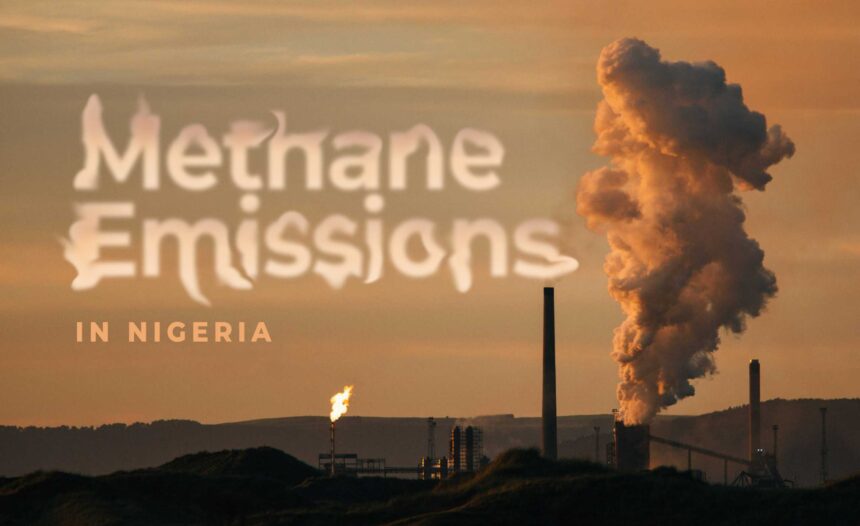
Abuja, Nigeria — Nigeria’s first official methane disclosure has been hailed as a milestone in climate accountability but has also raised eyebrows among experts who point to repeated figures and missing data in the report.
The disclosure, issued by the Nigerian Upstream Petroleum Regulatory Commission (NUPRC), is part of the country’s broader commitment to cut methane emissions by 60 percent by 2035 and achieve net-zero by 2060. Methane, a potent greenhouse gas, is a major contributor to global warming, and Nigeria’s oil and gas sector is a significant source.
Analysts reviewing the report noted that some figures appeared duplicated across sections, while key data points—such as emissions from offshore facilities—were missing. This has raised questions about whether Nigeria’s methane accounting system is robust enough to meet international standards.
Related News
The disclosure relies heavily on IPCC Tier 1 methodologies, which use generic emission factors. While acceptable at the early stage, experts argue that Nigeria must quickly transition to Tier 2 and Tier 3 approaches, which require country-specific and site-level measurements for accuracy.
Despite the shortcomings, environmental advocates acknowledge the disclosure as a step forward. For years, Nigeria’s methane emissions were largely estimated, with little verifiable data. The new framework introduces standardized templates for greenhouse gas management plans and inventories, signaling a shift toward evidence-driven compliance.
However, critics warn that without transparent, traceable data, Nigeria risks undermining its credibility in global climate negotiations.
Related News
Beyond technical debates, methane emissions have direct consequences for communities living near oil and gas facilities. Flaring and leaks contribute to air pollution, affecting health and livelihoods. For residents in the Niger Delta, the disclosure is not just about numbers—it is about whether government and industry will take responsibility for environmental harm.
NUPRC has pledged to strengthen Measurement, Reporting, and Verification (MRV) systems and build technical capacity among operators. By 2027, companies will be required to adopt site-specific measurement methods, aligning Nigeria’s reporting with international best practices.
For Nigeria, the challenge is clear: transparency and accuracy must underpin climate action. The first methane disclosure is a beginning, but the country’s credibility will depend on whether future reports close the gaps and reflect the lived realities of affected communities.