

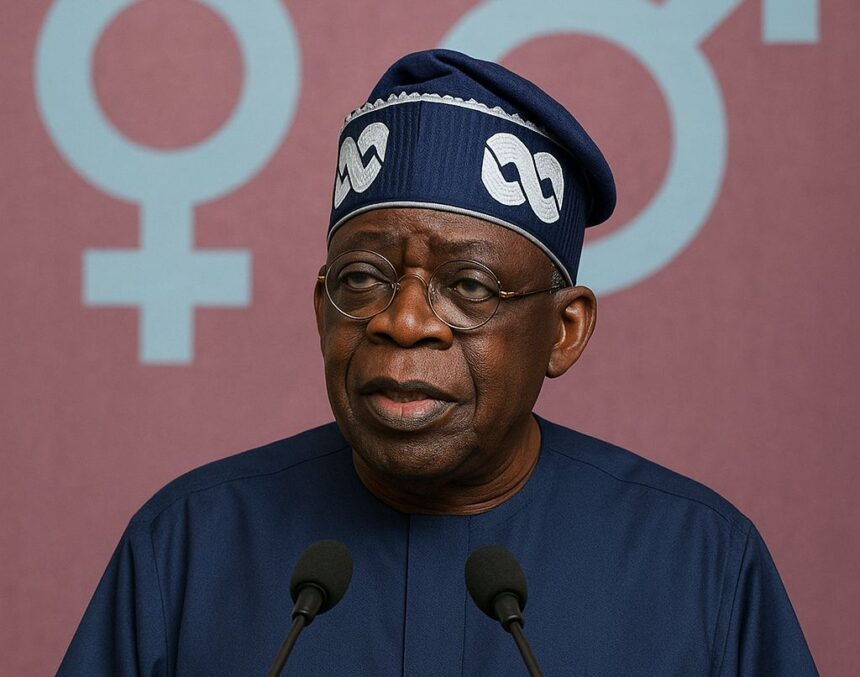
President Bola Ahmed Tinubu has formally asked the Nigerian Senate to approve a new foreign loan package worth $20.5 billion and €1.04 billion, aimed at financing critical infrastructure and development projects across the country.
In a letter read on the Senate floor, Tinubu explained that the loans are part of Nigeria’s 2022–2024 borrowing plan, designed to accelerate economic growth and address pressing national needs. The funds, he noted, would be channeled into sectors such as energy, transport, agriculture, health, and education.
According to the president, the borrowing plan was carefully structured to align with Nigeria’s medium-term development strategy. He emphasized that the loans would not only support ongoing projects but also unlock new opportunities for job creation and poverty reduction.
Related News
The request comes at a time when Nigeria faces mounting fiscal challenges, including rising debt obligations and revenue shortfalls. Tinubu assured lawmakers that the loans were negotiated under favorable terms with international lenders, stressing that they represent a strategic investment in the nation’s future rather than a burden.
Senate President Godswill Akpabio confirmed receipt of the letter and directed it to the appropriate committees for review. The committees are expected to scrutinize the proposal, assess its viability, and report back to the chamber before a final decision is taken.
This move underscores the administration’s reliance on external financing to bridge funding gaps in Nigeria’s budget. While supporters argue that the loans are essential to drive development, critics caution that Nigeria’s debt profile is already high and could pose long-term risks if not managed prudently.
Related News
The debate over the loan request is likely to dominate discussions in the coming weeks, as lawmakers weigh the balance between urgent infrastructure needs and fiscal sustainability.
If approved, the loan package would mark one of the largest foreign borrowing initiatives under Tinubu’s administration, signaling his commitment to ambitious reforms and large-scale investments in Nigeria’s economy.