

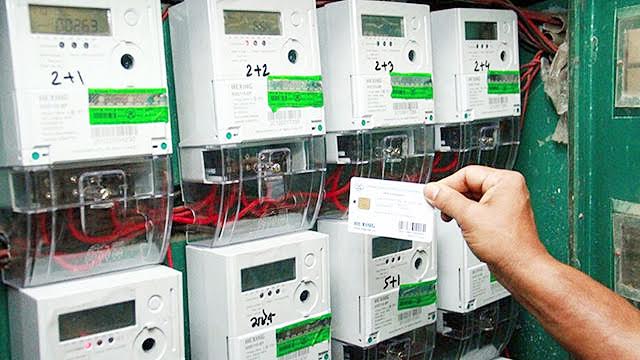
LAGOS — Nigerian meter manufacturers have secured a court injunction halting the importation of 1.55 million smart meters, a ruling that puts a major World Bank-backed electrification program in jeopardy. Punch confirmed the development on Friday, June 26, describing the case as a significant test of how Nigeria balances local industrial protection against the speed of critical infrastructure rollout.
The manufacturers, organised under their industry association, argued that the planned bulk importation would severely undercut domestic meter production lines that have absorbed significant capital investment over the past several years. They told the court that local manufacturers have built capacity specifically anticipating Nigeria’s metering gap closure program and stand to be devastated by a sudden wave of cheaper imported units.
The court agreed to issue the injunction pending full hearing of the matter, effectively pausing the import component of the metering rollout while the legal dispute proceeds. Neither the importing agencies nor the World Bank had issued detailed public responses to the ruling as of Friday evening.
Related News
Smart Meters and Nigeria’s Power Sector
Nigeria’s electricity distribution sector has struggled for years with a massive metering deficit. Millions of customers remain on estimated billing, a system widely criticised for inaccuracy, customer disputes, and chronic revenue shortfalls for distribution companies that ultimately undermine investment in grid maintenance and expansion.
The World Bank-supported program was designed to close that gap rapidly by combining local production with strategic importation to meet the scale of demand. Smart meters, which allow remote monitoring and more transparent billing, were central to the plan’s promise of improving both consumer trust and utility revenue collection simultaneously.
Related News
Industry watchers said the injunction creates a genuine dilemma. Protecting local manufacturing jobs and capacity has long-term economic value, but delaying meter rollout extends the period during which millions of Nigerian households and businesses continue facing inaccurate and often inflated estimated bills.
A Test Case for Industrial Policy
Energy sector analysts said the dispute reflects a broader pattern playing out across multiple Nigerian industries, where domestic manufacturers increasingly turn to the courts to resist import-heavy government procurement decisions. Similar tensions have surfaced in pharmaceuticals, agricultural inputs, and now electricity metering equipment.
The Nigerian Electricity Regulatory Commission and the relevant federal ministries are expected to seek a negotiated resolution that preserves the program’s timeline while addressing manufacturers’ concerns, potentially through phased import quotas or mandated local content percentages. Until such a resolution is reached, the injunction leaves the fate of 1.55 million planned meter installations in legal limbo.