


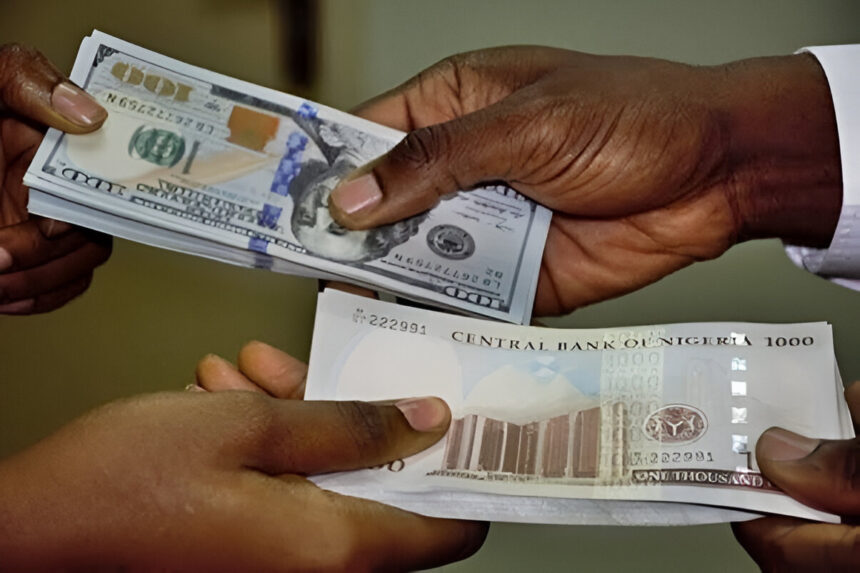
LAGOS — The Nigerian naira traded near N1,375 to the dollar in the official market as the week closed, according to data tracked by Trading Economics, which placed the rate at N1,374.53 as of Wednesday, June 24, broadly stable over the preceding month despite a marginal 0.26 percent monthly weakening.
The relative stability comes against a backdrop of domestic industrial policy tension. Punch reported on Friday, June 26, that Nigerian meter manufacturers have secured a court injunction halting the importation of 1.55 million smart meters, a ruling that threatens to disrupt a major World Bank-backed electricity metering program.
The manufacturers argued in court that the planned mass importation would undercut local meter production capacity that has been built up over recent years with significant domestic investment. They said flooding the market with imported units risks collapsing a nascent local manufacturing industry that the government itself has previously pledged to support.
Related News
Implications for the Metering Program
The World Bank-backed metering initiative is intended to close Nigeria’s massive metering gap, under which millions of electricity customers are billed on estimated rather than actual consumption, a practice that has fuelled customer disputes and revenue losses for distribution companies for years.
Distribution companies and the Nigerian Electricity Regulatory Commission have not yet detailed how they will respond to the injunction. Industry sources said a prolonged legal dispute could delay rollout of meters to millions of customers awaiting conversion from estimated billing, even as it potentially protects local manufacturing jobs.
Related News
Economic analysts said the case illustrates a recurring tension in Nigerian industrial policy between protecting domestic manufacturing capacity and meeting urgent infrastructure needs at the speed and scale that imports can provide. They said a negotiated settlement, potentially involving phased local content requirements, may ultimately be more workable than an outright import ban.
Currency Outlook
On the currency front, analysts said the naira’s relative stability through June reflects continued support from Nigeria’s improved reserve position and steady oil export receipts, even as global market volatility, including reaction to the Venezuela earthquake disaster, has kept emerging market currencies broadly cautious this week.
The CBN has maintained its tight monetary policy stance, with the benchmark interest rate held at elevated levels to anchor inflation expectations. Currency traders said they expect the naira to remain range-bound in the near term absent a significant external shock, though the approaching 2027 election cycle remains a medium-term risk factor that markets continue to monitor closely.