

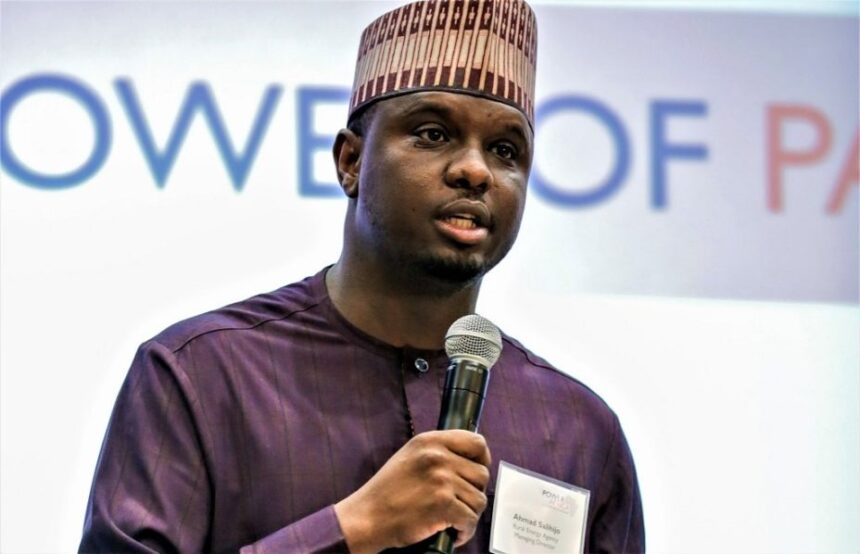
The Managing Director of the Rural Electrification Agency (REA), Ahmad Salihijo Ahmad, has revealed that more than 85 million Nigerians still lack access to reliable electricity. He stressed that the figure underscores the urgent need for investment in power infrastructure and innovative solutions to bridge the country’s energy gap.
Speaking at a recent energy forum, Ahmad explained that Nigeria’s electricity deficit remains one of the largest in the world. He noted that despite ongoing government programmes, millions of households and businesses continue to rely on generators and other costly alternatives.
The REA boss highlighted that rural communities bear the brunt of the crisis. He said many villages remain completely off-grid, with residents forced to depend on kerosene lamps, firewood, and petrol-powered generators. According to him, this situation hampers education, healthcare delivery, and economic activities in rural areas.
Related News
Ahmad pointed to ongoing initiatives such as the Nigeria Electrification Project and solar mini-grid programmes. He explained that these projects are designed to provide affordable and sustainable energy solutions to underserved communities. He added that partnerships with private investors and international donors are critical to scaling up these interventions.
Analysts say Nigeria’s unreliable electricity supply continues to undermine industrial growth and job creation. Manufacturers spend billions annually on self-generation, raising production costs and limiting competitiveness. Small businesses also struggle to survive due to high energy expenses.
The REA boss urged stakeholders to prioritise investment in renewable energy and modern grid infrastructure. He stressed that Nigeria must diversify its energy sources, reduce dependence on fossil fuels, and embrace solar, wind, and hydro power. Ahmad noted that reliable electricity is essential for achieving national development goals.
Related News
Residents across the country have expressed frustration over the persistent power shortages. Many complain about the high cost of fuel for generators and the impact on household budgets. Others say unreliable electricity affects access to clean water, internet connectivity, and healthcare services.
Nigeria’s electricity deficit stands out in Africa, despite being the continent’s largest economy. Countries with smaller populations, such as South Africa and Egypt, have achieved higher electrification rates. Analysts argue that Nigeria’s challenge is not only about capacity but also about governance, policy consistency, and infrastructure maintenance.
Ahmad assured that the REA will continue to expand rural electrification projects and strengthen collaboration with state governments. He emphasised that achieving universal access to electricity requires sustained political will, private sector participation, and community engagement.