

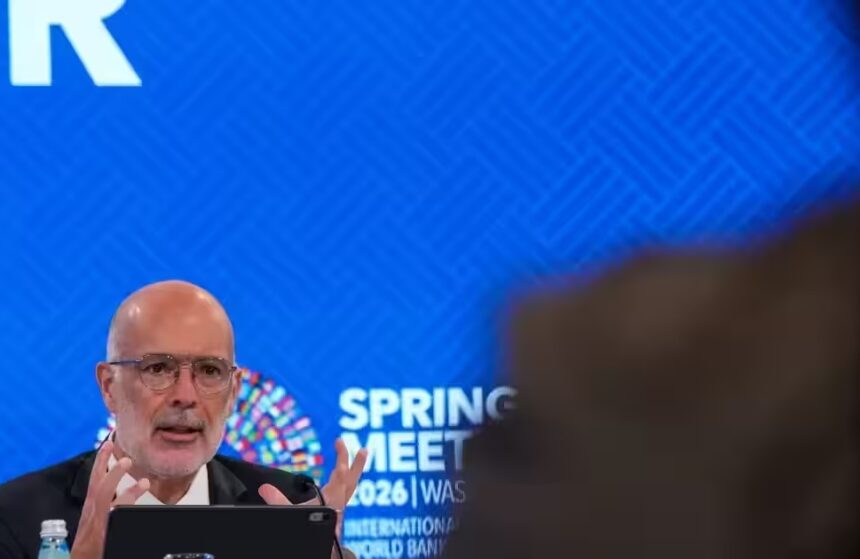
The International Monetary Fund (IMF) has warned Nigeria against restoring the petrol subsidy, describing the move as regressive. The global financial institution issued the caution during its latest economic review of Nigeria. Officials stressed that subsidies distort fiscal planning and undermine economic reforms. The IMF urged the government to maintain its current policy direction. The warning comes amid renewed debate over fuel prices and public discontent.
Nigeria removed the petrol subsidy in 2023, a decision that sparked nationwide protests but was hailed by economists as necessary for fiscal stability. For decades, subsidies consumed billions of dollars annually, draining public finances. Successive administrations struggled to balance social welfare with economic sustainability. The removal was seen as a bold step toward reform. However, rising fuel costs have reignited calls for its reinstatement. The IMF’s intervention reflects concern over policy reversal.
In its statement, the IMF emphasized that subsidies disproportionately benefit wealthier households while straining government resources. It recommended targeted social protection measures instead of blanket subsidies. The institution advised Nigeria to channel savings into infrastructure, healthcare, and education. Officials noted that subsidy restoration could derail fiscal consolidation efforts. The IMF also highlighted the importance of strengthening revenue collection. The warning aligns with its broader push for structural reforms in Africa.
Related News
Government officials acknowledged the IMF’s concerns but insisted that public welfare remains a priority. Civil society groups criticized the removal of subsidies, arguing that it worsens hardship for ordinary Nigerians. Economists backed the IMF’s position, stressing that subsidies are unsustainable in the long term. Labour unions, however, continue to demand relief measures for workers. Citizens expressed mixed feelings, torn between affordability and fiscal responsibility. The debate underscores Nigeria’s policy dilemma.
Analysts warn that restoring subsidies could widen Nigeria’s budget deficit and weaken investor confidence. The policy reversal may also affect foreign exchange reserves and fuel smuggling across borders. Conversely, maintaining subsidy removal could free up funds for critical development projects. Strategically, Nigeria’s economic credibility hinges on consistent reforms. The IMF believes that subsidy removal is key to unlocking growth potential. The decision carries significant implications for Nigeria’s global economic standing.
The IMF’s warning highlights the delicate balance Nigeria faces between economic reform and social welfare. While subsidy removal remains unpopular, experts argue it is vital for fiscal health. The government must now weigh public pressure against long‑term stability. Nigerians await clarity on the administration’s next steps. The coming months will determine whether reforms hold or concessions are made. The outcome will shape the country’s economic trajectory for years to come.