

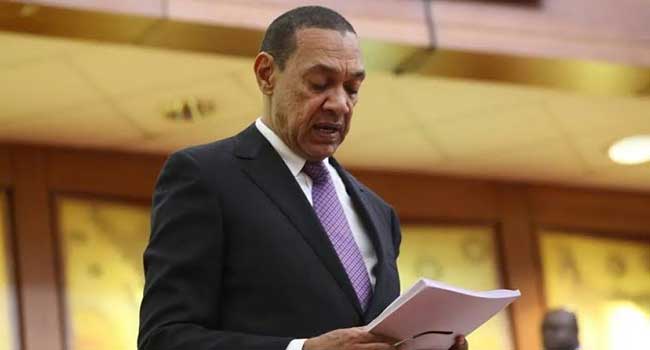
Former Senator Ben Murray-Bruce has urged President Bola Tinubu to make the rehabilitation of Nigeria’s refineries a national priority, stressing that the country’s economic stability depends on reducing dependence on imported fuel.
Murray-Bruce made the call in a statement on Tuesday, highlighting the urgent need for Nigeria to revive its local refining capacity. He argued that the rehabilitation of refineries should not be treated as a routine government project but as a matter of national importance.
According to him, Nigeria’s reliance on imported petroleum products has placed enormous pressure on foreign exchange reserves and contributed to rising fuel costs. He noted that fixing the refineries would not only reduce import bills but also create jobs and strengthen the energy sector.
Related News
“Refinery rehabilitation must become a national obsession. We cannot continue to depend on imports when we have the capacity to refine locally,” Murray-Bruce said.
The former senator explained that Nigeria’s four state-owned refineries have remained largely inactive for years, despite repeated government promises of turnaround maintenance. He added that the situation has forced the country to rely heavily on private importers and the recently commissioned Dangote Refinery.
Industry experts have echoed similar concerns, warning that without functional refineries, Nigeria’s energy security will remain vulnerable. They argue that local refining is critical to stabilising fuel prices and ensuring consistent supply across the country.
Related News
Murray-Bruce also linked refinery rehabilitation to broader economic reforms, noting that cheaper and locally refined fuel would reduce transportation costs and ease inflationary pressures. He urged the Tinubu administration to mobilise resources and political will to ensure that the refineries are restored to full operation.
The call comes at a time when Nigerians are grappling with high fuel prices following the removal of subsidy. Analysts say that reviving the refineries could help cushion the impact of subsidy removal by providing affordable alternatives.
Government officials have previously stated that efforts are ongoing to rehabilitate the Port Harcourt Refinery, with plans to extend similar work to Warri and Kaduna refineries. However, progress has been slow, raising doubts among stakeholders about the government’s commitment.
Civil society groups have also demanded transparency in the rehabilitation process, stressing that past attempts were marred by mismanagement and lack of accountability. They insist that any new effort must be closely monitored to ensure results.
For Murray-Bruce, the message is clear: refinery rehabilitation must be treated as a national mission. He believes that achieving this goal will not only reduce Nigeria’s dependence on imports but also strengthen the country’s economic resilience.
As discussions continue, Nigerians await concrete steps from the government to translate promises into action and deliver functional refineries that can meet domestic demand.