


TEHRAN — Iran has executed Mojtaba Kian for espionage, making him the first person known to have been put to death for spying during the country’s ongoing war with the United States and Israel. Iranian state media confirmed the execution on Sunday. Kian had been accused of passing defence industry secrets to foreign intelligence services.
Iranian authorities said Kian shared classified information about the country’s military and defence capabilities with foreign agents. The nature of the specific intelligence he allegedly provided has not been fully disclosed. Iranian courts sentenced him following a closed-door military tribunal.
The execution sends a strong signal from the Iranian government to anyone within its military and intelligence apparatus who might consider cooperating with foreign powers. It reflects the intense internal pressure that Iran’s leadership is managing as the conflict with the US and Israel continues.
Related News
The ongoing war between Iran, the United States, and Israel has been one of the most destabilising events in the Middle East in decades. The conflict has disrupted global energy markets, tightened shipping lanes, and drawn in multiple regional actors through proxy conflicts.
Impact on the Middle East
The Kian execution comes as US-Iran tensions show no sign of immediate resolution. The Trump-Xi summit in Beijing earlier this month touched on the Iran conflict as one of the key geopolitical fault lines of the current era. Both the US and China have complex interests in how the conflict resolves.
Related News
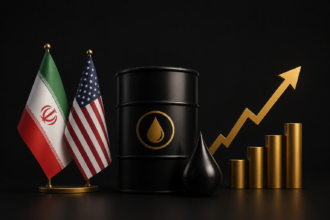
Iran has been under enormous economic and military pressure since the conflict began. International sanctions, airstrikes on key infrastructure, and the disruption of its oil export revenues have all strained the Iranian economy. Domestically, the government has responded to dissent and perceived disloyalty with harsh measures.
Furthermore, the Strait of Hormuz remains a critical chokepoint. Iran’s ability to threaten shipping through the strait gives it leverage in negotiations, but it also carries the risk of direct military confrontation with US naval forces in the region. That tension continues to shape global energy prices and supply chain decisions worldwide.
Nigeria’s Exposure
For Nigeria, the Iran conflict continues to have indirect but real consequences. Global oil price volatility, shaped in part by the Middle East situation, affects Nigeria’s export revenues. Higher international fuel prices also raise the cost of imported goods that Nigeria still relies on despite the Dangote Refinery’s growing domestic output.
Nigeria’s diplomatic position on the Iran conflict has been cautious. As a member of the African Union and ECOWAS, and as a country with commercial ties to both Western nations and China, Nigeria has avoided taking strong public sides in the conflict. Officials have called for diplomatic resolution and the protection of international shipping lanes.
The execution of Kian is unlikely to change the direction of the conflict in the short term. However, it adds to the picture of an Iranian leadership that is feeling acutely vulnerable and is taking increasingly drastic measures to protect its internal security. That psychology will shape how the conflict develops in the months ahead.