

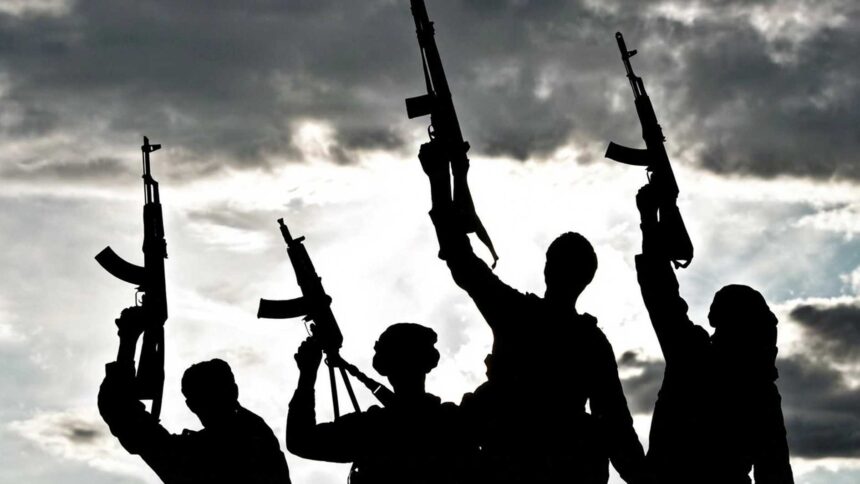
Eight hundred and forty-two deaths. Two hundred and seventy-nine kidnappings. One month. The numbers from May 2026 paint one of the starkest pictures yet of Nigeria’s deepening security crisis.
Nigeria recorded 842 deaths and 279 kidnappings across 156 violent incidents in May 2026 alone, according to fresh data released on Sunday from Nextier’s Nigeria Violent Conflicts Database. The figures show violent incidents rising by 51.5 per cent, fatalities increasing by 90.1 per cent, and kidnappings climbing by 19.7 per cent compared to the same period in 2025, underscoring a sharply worsening national security situation.
A Sobering Set of Numbers
Related News
These figures arrive amid growing concern over the effectiveness of Nigeria’s peacebuilding interventions, despite sustained investment from government and international development partners. Researchers Jamilu Musa and Dr Chukwuma Okoli, authors of a Nextier policy article titled “The Travails of Measuring Peacebuilding in Fragile Contexts,” argue that programmes exist widely, but assessing their real-world impact remains genuinely difficult.
They identified four indicators essential to understanding peacebuilding progress: conflict dynamics, social cohesion, governance and inclusion, and resilience. However, they also noted significant obstacles to measurement, including attribution bias, poor baseline data, short funding cycles, and ongoing insecurity in the very areas researchers need to study.
A Difficult Global Backdrop
Related News
The researchers also pointed to shifting global economic priorities, including protectionist policies under United States President Donald Trump, as a factor affecting international support for peacebuilding initiatives in countries like Nigeria. As wealthier nations redirect funding toward domestic priorities, fragile states often feel the squeeze first.
Consequently, Nigeria finds itself managing a worsening security crisis at precisely the moment when external support may be becoming less reliable. That combination places greater pressure on domestic institutions to deliver results with the resources already available.
What Comes Next
The Nextier researchers called for stronger collaboration between security agencies, humanitarian actors, development partners, and peacebuilding organisations to improve data sharing and reduce duplicated efforts. They recommended modern evaluation tools, including outcome harvesting, perception surveys, and participatory monitoring, to better capture real time conflict dynamics on the ground.
“Peace is not static; it is a work in progress involving both reducing conflict and increasing development,” the analysts stated. For the families affected by May’s violence, that work cannot move quickly enough.