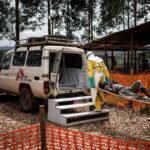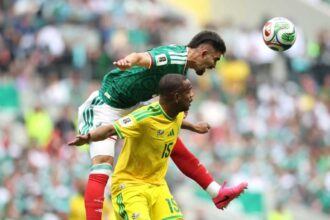


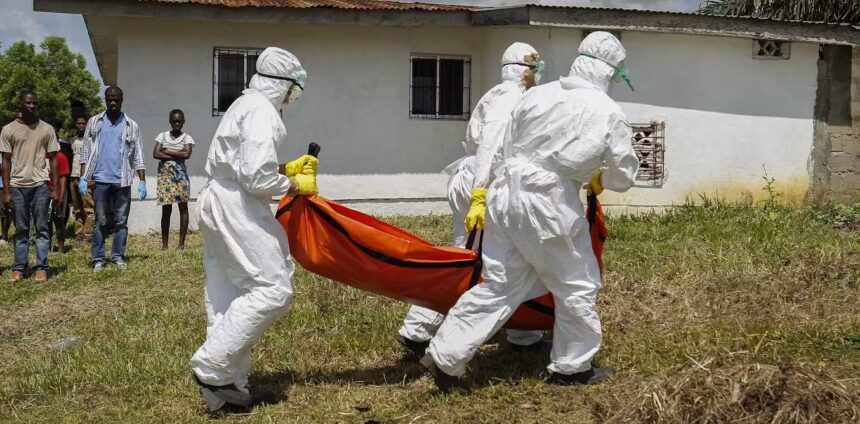
BRUSSELS — The White House has ordered the Democratic Republic of Congo national football team to self-isolate for 21 days before the FIFA World Cup begins on June 11, 2026, in the United States. The order, linked to the ongoing Ebola outbreak in DRC, has thrown the team’s World Cup preparation into disarray.
The DRC team is currently based in Belgium, where they have been training and preparing for the tournament. The US government’s instruction, communicated through health and immigration authorities, requires all team members and support staff to complete a 21-day isolation period before they are permitted to enter the United States.
This means the team must begin isolation immediately to have any chance of completing the quarantine before their first World Cup match. The logistical challenge of isolating an entire national team of players, coaches, medical staff, and officials for three weeks while maintaining some form of physical conditioning is enormous.
Related News
FIFA has not yet made an official public statement on the DRC team’s situation. However, the organisation is believed to be in urgent consultations with US authorities, the DRC Football Federation, and health experts to find a workable solution before the tournament opens.
A Precedent-Setting Decision
The US government’s decision to impose a 21-day isolation on the DRC World Cup team is unprecedented in the history of major international sporting events. It reflects the seriousness with which American health authorities are treating the Ebola outbreak and their determination to prevent any imported cases from entering the country during the tournament.
Related News
The US has already extended travel restrictions to green card holders from DRC, Uganda, and South Sudan. It has implemented airport screening at Dulles, Atlanta, and Houston Bush airports for travellers from affected areas. The DRC team isolation order is the most high-profile application of these restrictions.
Sports diplomats and human rights groups have raised concerns about the fairness of the order. They argue that players who have tested negative for Ebola and have been in Belgium, far from the outbreak zone, should not be subject to the same restrictions as travellers directly from DRC. They called on FIFA and the US government to find a more proportionate solution.
Impact on DRC Football
The DRC qualified for the 2026 World Cup in a historic achievement for Congolese football. The team, nicknamed the Leopards, is appearing at their first World Cup since 1974. Their players, many of whom play in European leagues, were looking forward to showcasing Congolese football to a global audience.
An isolation order that severely disrupts their preparation could affect their performance in the tournament. Football requires regular training, tactical preparation, and match fitness that is impossible to maintain under full quarantine conditions. The longer the isolation, the more physically and mentally challenging the situation becomes.
Nigeria, which did not qualify for the 2026 World Cup, is following the DRC situation closely. Nigerian football officials said the case highlights the broader vulnerability of African nations to decisions made by host countries when major tournaments coincide with health emergencies. They said FIFA must develop clearer protocols for managing such situations in future tournaments.