

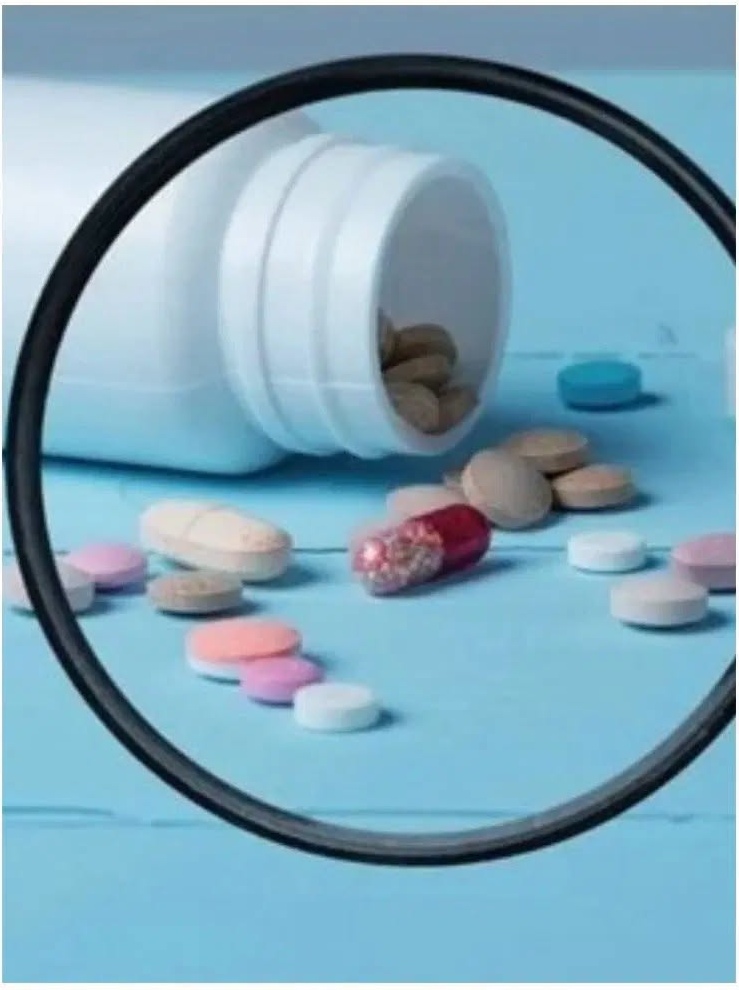
Nigeria is facing a growing public health crisis as fake drugs, drinks, and foods flood markets nationwide. Reports indicate that treatment failures are rising sharply, with many patients suffering complications from counterfeit products. Health officials warn that the deadly trade is claiming lives daily. The issue has sparked urgent calls for stronger regulation and enforcement. Authorities say the menace is undermining trust in healthcare systems.
The problem of counterfeit products is not new in Nigeria. For decades, fake drugs and adulterated foods have circulated in open markets and shops. Past government efforts, including campaigns by NAFDAC, reduced the prevalence but failed to eliminate the trade. Weak enforcement and porous borders have allowed counterfeiters to thrive. The latest surge highlights the persistence of the problem. It underscores the need for renewed vigilance and stronger institutional action.
Recent investigations revealed that fake antibiotics, painkillers, and beverages are widely available in local markets. Many of these products are packaged to resemble genuine brands, making detection difficult for consumers. Authorities disclosed that criminal networks are behind the distribution, exploiting loopholes in regulation. NAFDAC has pledged to intensify raids and strengthen monitoring systems. Officials also plan to expand public awareness campaigns. The aim is to curb the circulation of dangerous products.
Related News
Health experts expressed alarm at the rising cases of treatment failure linked to fake drugs. Civil society groups urged government agencies to act decisively against counterfeiters. Citizens voiced frustration over the risks of buying everyday items. Pharmaceutical associations called for stricter penalties to deter offenders. Analysts warned that the crisis could erode confidence in Nigeria’s healthcare system. The issue has sparked widespread debate on consumer safety and governance.
The proliferation of fake products carries heavy economic costs. Genuine manufacturers lose revenue as counterfeit goods dominate markets. Families spend more on ineffective treatments, worsening poverty levels. Strategically, the crisis undermines Nigeria’s reputation in global trade. It also threatens food security and public health stability. Experts argue that tackling the menace is essential for national development. Stronger enforcement could restore confidence and protect economic growth.
The surge in fake drugs, drinks, and foods highlights a deadly challenge confronting Nigeria. With treatment failures rising, urgent action is needed to safeguard lives. Authorities must strengthen regulation, enforcement, and public awareness. Citizens are urged to remain vigilant when purchasing products. The coming months will reveal whether government measures can stem the tide. Ultimately, tackling counterfeit goods is vital for protecting health and restoring trust in Nigeria’s markets.