


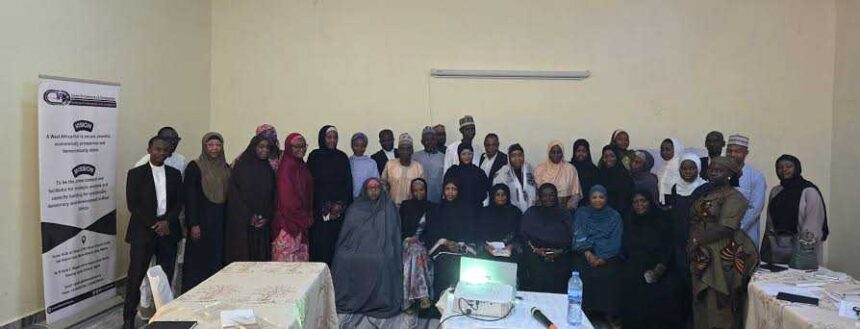
The Centre for Democracy and Development (CDD) has intensified its support for justice reforms in Katsina State by rolling out training programs on Alternative Dispute Resolution (ADR), aimed at equipping community leaders, legal practitioners, and traditional institutions with skills to resolve conflicts outside the formal court system.
Speaking at the launch of the initiative, CDD officials explained that ADR is a vital tool for reducing the burden on Nigeria’s overstretched judiciary while promoting peace and reconciliation at the grassroots. The training, they noted, is part of a broader reform agenda designed to make justice delivery more accessible, affordable, and culturally relevant.
According to Nigerian official sources including Punch Newspapers, Vanguard, and ThisDay, the program focuses on mediation, negotiation, and arbitration techniques that can be applied to everyday disputes ranging from land ownership and family disagreements to commercial conflicts. By empowering local actors with ADR skills, CDD hopes to reduce the backlog of cases in Katsina’s courts and foster community-driven solutions.
Related News
The initiative comes at a time when Katsina, like many states in northern Nigeria, faces challenges of insecurity, communal clashes, and strained judicial resources. CDD believes that strengthening ADR mechanisms will not only ease pressure on the courts but also help prevent disputes from escalating into violence.
Representatives of the Katsina State Ministry of Justice welcomed the program, describing it as a timely intervention that aligns with the state’s ongoing justice sector reforms. Officials emphasized that ADR offers a culturally sensitive approach to conflict resolution, particularly in rural communities where traditional leaders and religious institutions play a central role in maintaining peace.
Participants at the training included magistrates, lawyers, civil society representatives, and traditional rulers. Many expressed optimism that ADR would bridge the gap between formal justice systems and community-based practices. A participant from the Katsina Emirate Council noted that ADR resonates with indigenous methods of conflict resolution, which often prioritize dialogue and reconciliation over punitive measures.
Related News
Civil society groups also praised the initiative, stressing that ADR could help marginalized groups, including women and youth, access justice more easily. Formal court processes are often intimidating, expensive, and time-consuming, discouraging vulnerable populations from seeking redress. ADR, by contrast, offers a more inclusive and less adversarial pathway.
Analysts argue that the success of ADR in Katsina could serve as a model for other Nigerian states grappling with similar challenges. They point out that ADR has been successfully integrated into justice systems in countries like South Africa and Ghana, where it has reduced case backlogs and promoted community harmony.
CDD’s intervention underscores the importance of partnerships between civil society and government in driving reforms. By equipping stakeholders with ADR skills, the organization is helping to institutionalize alternative justice mechanisms that complement formal courts.
As Katsina continues to implement justice reforms, the ADR training is expected to strengthen trust between citizens and the justice system, enhance social cohesion, and contribute to broader peacebuilding efforts in the state.