


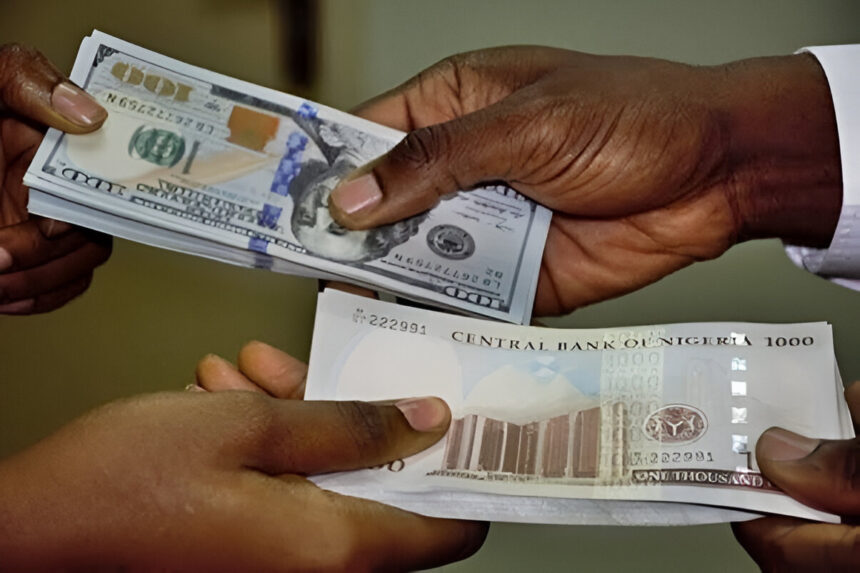
Nigerian businesses are facing renewed pressure as dollar demand keeps the exchange market under strain. The naira traded around N1,405 per dollar in the black market on Thursday, June 18, 2026, while the official market also showed weakness.
This gap between official and parallel rates continues to affect importers, manufacturers and small firms that rely on foreign exchange. Many companies now price goods cautiously because currency swings can erase profit margins quickly.
Reports also showed that forex market turnover dropped sharply by 56.8 percent, a sign that liquidity remains weak. Analysts say the lower turnover reflects uncertainty and lower confidence among traders.
Related News
Import Costs Remain High
Businesses that depend on imported raw materials are especially exposed. When the naira weakens, costs rise and firms often pass those increases on to consumers.
That pattern adds to pressure already created by inflation, transport costs and higher operating expenses. Small enterprises are often hit hardest because they have less room to absorb losses.
Related News
Even though the official exchange rate hovered near N1,360 per dollar, the spread between markets remains wide. That difference is one of the biggest obstacles to price stability in the economy.
Confidence Still Fragile
Economists say a stable naira would help businesses plan better and reduce uncertainty. However, sustained dollar demand means many firms are still operating with caution.
The latest exchange rate pressure suggests the foreign exchange market remains one of Nigeria’s most sensitive economic flashpoints. Until inflows improve, businesses are likely to keep adjusting quickly to the next shift.