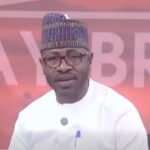


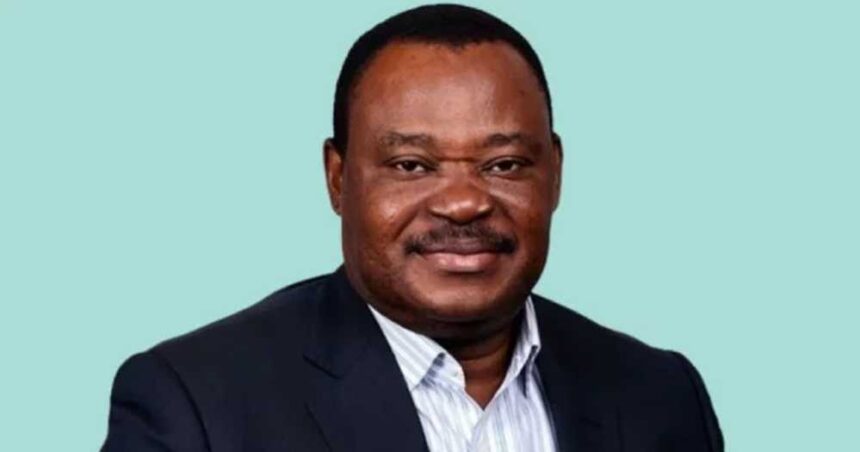
Nigeria’s Ambassador and Permanent Representative to the United Nations, Jimoh Ibrahim, called for greater transparency on disability inclusion policies during remarks at the United Nations this week, highlighting Nigeria’s ongoing commitments to inclusive governance even as the country continues to grapple with significant security and economic challenges domestically.
Ibrahim’s comments were made in the context of broader United Nations discussions on disability rights and inclusion frameworks, where member states are regularly called upon to report on their progress in implementing commitments under international disability rights instruments. He said Nigeria remained committed to ensuring that persons with disabilities were not left behind in national development planning.
The Ambassador’s remarks come as Nigeria continues to navigate a complex diplomatic landscape, balancing its engagement on global governance issues like disability rights with pressing bilateral concerns, including the prisoner transfer agreement with Ethiopia and the ongoing fallout from xenophobic attacks on Nigerians in South Africa, which Presidential aide Abike Dabiri condemned this week.
Related News
Disability Advocacy Groups Welcome UN Engagement
Nigerian disability rights advocacy groups welcomed Ibrahim’s intervention at the UN, saying consistent international engagement on the issue helps maintain pressure on domestic policymakers to implement the Discrimination Against Persons with Disabilities Prohibition Act, which Nigeria enacted in 2018. However, advocates noted that implementation gaps remained significant, particularly around accessible infrastructure, employment opportunities, and educational inclusion for Nigerians living with disabilities.
Furthermore, Ibrahim’s UN engagement reflects a broader pattern of Nigerian diplomatic activity addressing both bilateral and multilateral concerns simultaneously. The Ministry of Foreign Affairs under Bianca Odumegwu-Ojukwu has been notably active in 2026, securing the Ethiopia prisoner transfer agreement, addressing the South Africa xenophobia crisis, and now engaging on disability rights at the UN level.
Related News
Still, critics argue that high-level diplomatic engagement on issues like disability rights abroad should be matched by stronger domestic enforcement and funding commitments. Notably, Nigeria’s National Commission for Persons with Disabilities has faced longstanding criticism over inadequate funding and capacity to enforce the 2018 disability rights law effectively. Consequently, advocacy groups say Ibrahim’s UN remarks, while welcome, must be followed by concrete domestic policy action to be considered meaningful progress.
Economy Showed Resilience in Q1 Despite Shocks, Say Economists
In related governance and economic news, Nigerian economists assessed that the economy showed resilience in the first quarter of 2026 despite various global and domestic shocks, including Middle East tensions affecting oil prices and ongoing insecurity disrupting agricultural supply chains. Finance Minister Wale Edun had earlier reiterated at the IMF and World Bank Spring Meetings that Nigeria would not seek a bailout, relying instead on its homegrown reform programme. As a result, Nigeria’s economic policy messaging continues to emphasise self-reliance even as it engages multilateral institutions on individual policy questions.