

BAMAKO — A jihadist blockade around Mali’s capital Bamako has left thousands of Malians stranded and unable to celebrate Eid with their families. Armed groups associated with al-Qaeda-linked Jama’at Nusrat al-Islam wal-Muslimin have blocked key roads leading into and out of the capital, disrupting transport and causing widespread hardship.
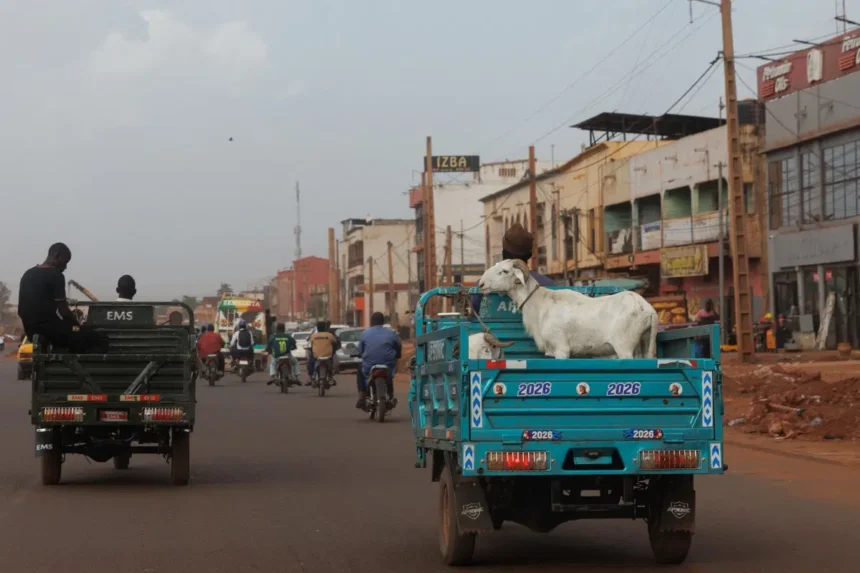
Transport has been halted on several national highways. Sheep, a traditional part of Eid celebrations in Mali, have become scarce and expensive in Bamako because livestock traders cannot move through the blockade. Power cuts have also plagued the capital, adding to the suffering of residents.
The blockade reflects JNIM’s growing stranglehold over large parts of Mali’s territory. Despite the presence of the Malian army and its Russian-backed Wagner Group allies, jihadist groups continue to control or threaten key roads and rural areas across the country.
Related News
Residents of Bamako described the situation as deeply distressing. “We cannot go home to see our families. We cannot buy the animals we need for the celebration. It is as if the jihadists are mocking us on our own holy day,” one resident told international media.
The Sahel Crisis Deepens
Mali’s situation reflects a broader deterioration of security across the Sahel. Burkina Faso, Niger, and Chad are all facing similar pressures from jihadist groups. The withdrawal of French forces from the region in recent years and the embrace of Russian military partnerships have not produced the security improvements military governments promised.
Related News
Furthermore, the Sahel crisis has direct implications for Nigeria and West Africa. JNIM and its affiliates share ideological and operational links with ISWAP and JAS, the groups active in Nigeria’s northeast and increasingly in the southwest. The Sahel serves as a training and recruitment ground that feeds terrorist activity across the region.
The African Union and ECOWAS have both expressed concern about the deteriorating situation in Mali. However, the military government in Bamako has resisted external pressure and international scrutiny. It expelled the UN peacekeeping mission MINUSMA in 2023 and has limited access for foreign observers.
Humanitarian Consequences
The Bamako blockade is the latest in a series of jihadist actions that have restricted civilian movement in Mali. Communities cut off from trade and family networks face food insecurity, healthcare shortages, and economic stagnation. Thousands of Malians have been forced to flee their homes as armed groups expand their territorial control.
International humanitarian organisations say access to affected populations in Mali is becoming increasingly difficult. Aid workers face threats, and convoy routes are regularly blocked. The UN Office for the Coordination of Humanitarian Affairs warned this week that millions of Malians face acute food insecurity.
For Nigeria, the Mali crisis is a reminder that the security challenges facing West Africa are deeply interconnected. Instability in the Sahel does not stay in the Sahel. It moves south, as the presence of dislodged JAS terrorists in Oyo State has demonstrated this week.