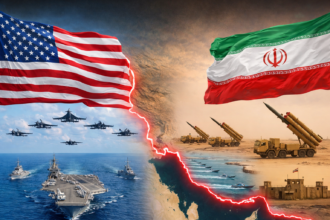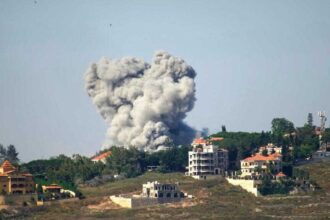


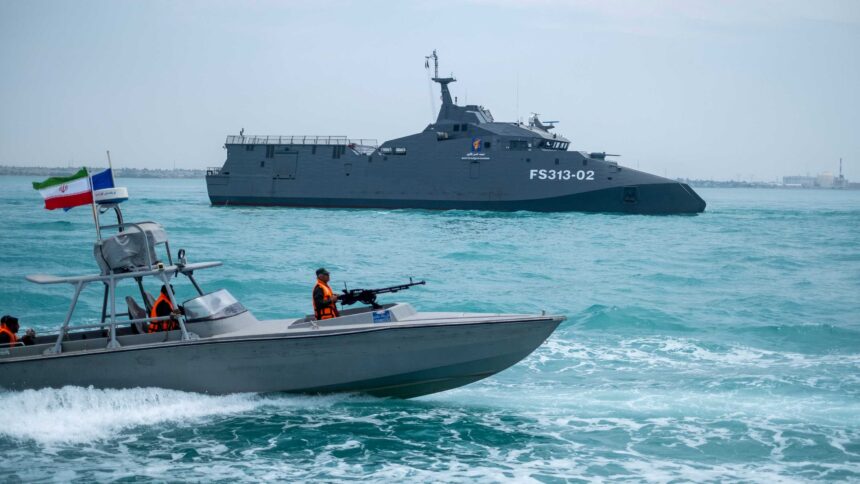
TEHRAN — Iran has renewed its threat to close the Strait of Hormuz following a new round of US and Israeli airstrikes on Iranian military infrastructure. The threat, issued by the Iranian Revolutionary Guard Corps on Wednesday, raised fresh alarm about global energy security and the trajectory of the ongoing conflict.
The IRGC said Iran will not tolerate continued attacks on its sovereign territory and will use all available means, including the closure of the Strait of Hormuz, if the strikes continue. The strait is one of the world’s most critical oil shipping lanes, through which approximately 20 percent of global oil supplies pass daily.
A closure or significant disruption to the Strait of Hormuz would immediately drive up global oil prices, affect fuel supplies across Asia, Europe, and Africa, and trigger a severe economic shock in an already stressed global economy. Saudi Arabia, the UAE, and other Gulf states would be among the most directly affected producers.
Related News
The US military said it is monitoring Iran’s threat closely and is prepared to maintain freedom of navigation in international waters. US naval assets are deployed in the Gulf and the Arabian Sea. A spokesperson for US Central Command said American forces will protect international shipping lanes from any Iranian action.
Context of the Conflict
The current war between the US, Israel, and Iran has been one of the most consequential geopolitical events of the past two years. It began following an escalation of tensions over Iran’s nuclear program and the activities of Iranian-backed proxy groups in the Middle East and beyond.
Related News
The conflict has disrupted global energy markets, driven up shipping insurance costs, and complicated diplomatic relationships across the region. The Trump-Xi summit in Beijing earlier this month touched on the Iran situation as one of the defining fault lines of the current era of global competition.
Furthermore, Iran executed Mojtaba Kian last week for espionage during the conflict, marking the first confirmed execution of a spy during the current war. The domestic security crackdown signals that Iran’s leadership is under significant internal pressure and is taking increasingly harsh measures to protect its position.
Impact on Nigeria
Nigeria has carefully avoided taking strong public positions on the US-Iran conflict. As a member of the African Union and ECOWAS with commercial ties to both Western nations and China, Nigeria has prioritised diplomatic neutrality. Officials have called for a ceasefire and diplomatic resolution without endorsing either side’s position.
However, the economic impact of the conflict is real and growing. Oil price volatility driven by the Middle East situation affects Nigeria’s export revenues. Higher global fuel prices raise the cost of imports. And energy security concerns affect the terms on which Nigerian crude can be sold on international markets.
A Strait of Hormuz closure, if it were to materialise, would likely drive global oil prices sharply higher. For Nigeria, higher oil prices would increase export revenues in the short term. However, the broader economic disruption, including higher import costs and global recession risk, could easily outweigh those gains. The government is monitoring the situation closely.