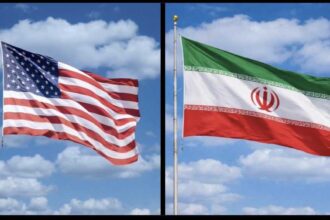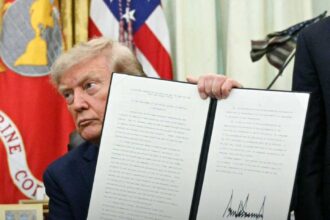


Congress has spoken. Whether the White House listens is another question entirely.
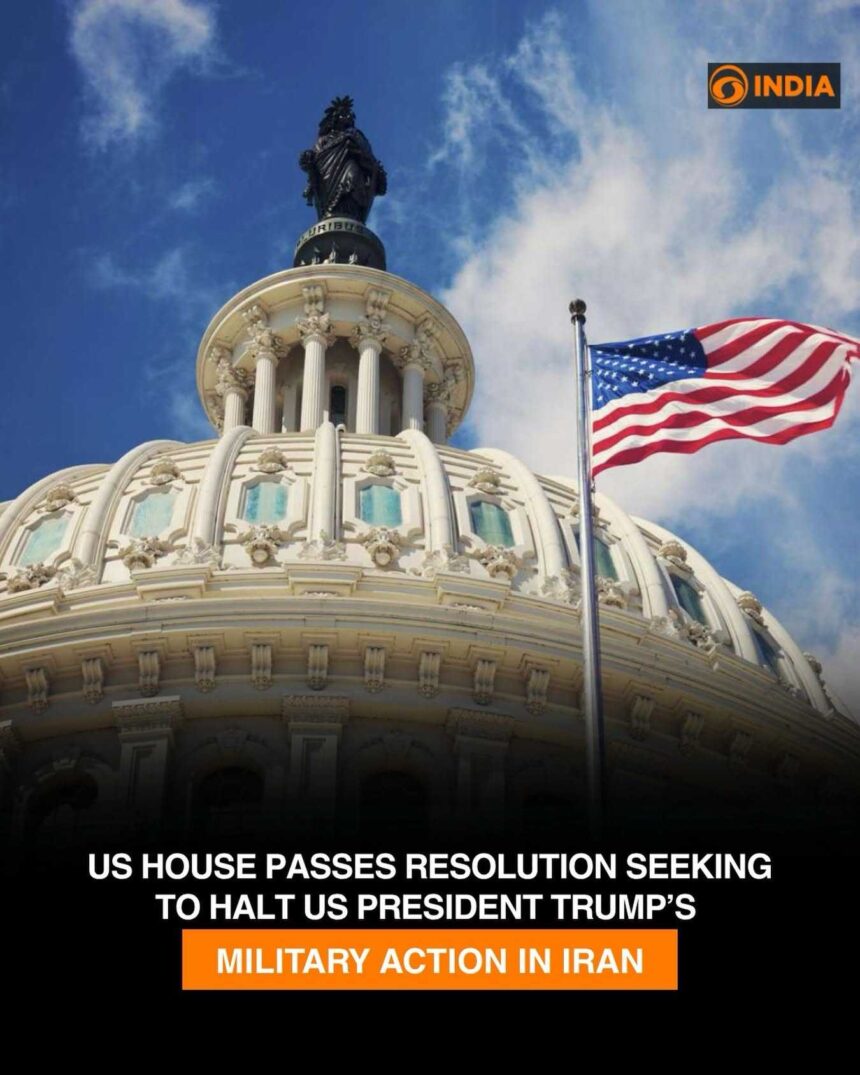
The United States House of Representatives passed a War Powers Resolution on Monday, seeking to limit President Donald Trump’s authority to take further military action against Iran without congressional approval. The vote marks one of the most significant legislative pushbacks against the Trump administration’s foreign policy in the current term.
What the Resolution Does
Related News
The War Powers Resolution requires the president to seek congressional authorisation for sustained military operations beyond a 60-day window. By passing this resolution, the House is signalling that the current US military engagement with Iran — which has involved strikes and counterstrike activity in recent months — must not escalate further without a formal vote.
The measure passed along largely partisan lines, with Democrats and a handful of Republicans joining to support it. However, the Senate must still vote for the resolution to take full legal effect — and the outcome there remains uncertain.
The Iran Context
Related News
US-Iran tensions escalated significantly in late 2025 and early 2026, following a series of incidents in the Persian Gulf and reported Iranian support for militant groups in the region. The Trump administration authorised military strikes in response. As a result, oil prices spiked, global markets reacted sharply, and inflation in the United States began to reflect the economic costs of conflict.
A new inflation report, expected this week, is anticipated to show the direct impact of the Iran situation on the cost of living for American households. That data will add economic weight to the political argument that Congress is making.
What It Means for Nigeria and Africa
For Nigeria and other oil-dependent economies, US-Iran tensions carry direct consequences. Oil price volatility affects Nigeria’s government revenues, budget projections, and ultimately, what the government can spend on services and infrastructure.
Furthermore, any escalation in the Middle East affects global shipping routes and energy markets in ways that ripple far beyond the region. Consequently, Nigerian policymakers and businesses are watching developments in Washington and Tehran with serious attention.