


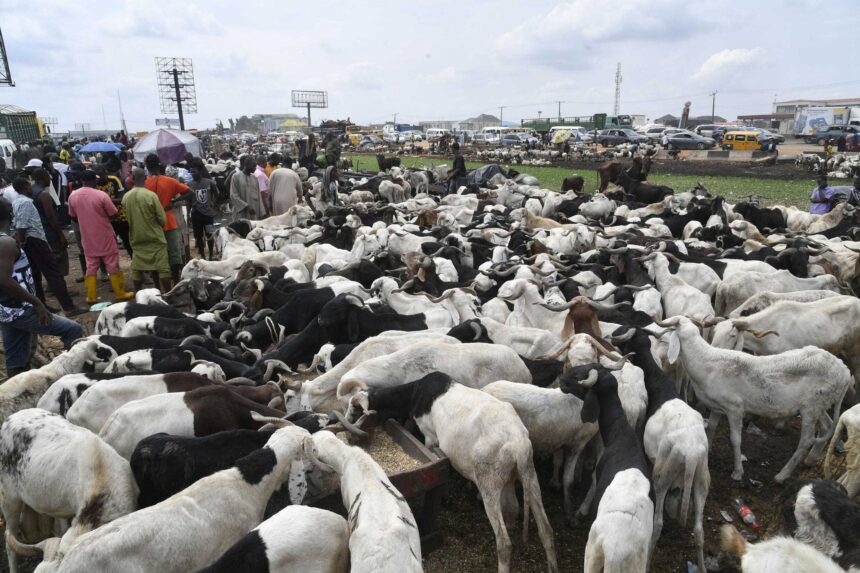
LAGOS — As Eid Al Adha approaches, millions of Nigerian families are confronting an uncomfortable reality: the cost of sacrificial rams has risen sharply, putting the traditional celebration out of reach for many. Traders and livestock dealers across Lagos, Abuja, Kano, and other major cities confirmed that prices have increased significantly compared to last year.
In Lagos markets, small to medium-sized rams are selling for between N200,000 and N450,000. Larger animals command prices of N600,000 and above. In previous years, families in the same income bracket could purchase comparable animals for significantly less. The increases reflect broader inflationary pressures in Nigeria’s economy.
A livestock trader at Mile 12 Market in Lagos, Alhaji Musa Abubakar, said the price rise stems from multiple factors. “Transportation has become very expensive. Security challenges in herding routes add to the cost. And general food inflation means the cost of feeding the animals has gone up. Everything has increased,” Abubakar said.
Related News
Many families said they are being forced to make difficult choices. Some plan to purchase smaller animals than they originally intended. Others are pooling resources with extended family members to buy a single animal collectively. A growing number say they will skip the ram purchase entirely this year.
The Economic Pressure Behind the Numbers
Nigeria’s consumer price inflation, though easing from its 2025 peak, remains elevated. Food inflation has been particularly stubborn, driven by security disruptions to farming, high transportation costs, and the lingering effects of the naira’s weakness in 2025. Livestock prices are directly affected by all three factors.
Related News
In addition, insecurity in northwest Nigeria has disrupted traditional herding routes that bring cattle and sheep from the north to southern markets. Bandits and terrorists routinely target herders, making it dangerous and expensive to move animals long distances. This has reduced the supply of livestock reaching urban markets, pushing prices higher.
Furthermore, the depreciation of the naira against the dollar has raised the cost of veterinary drugs and animal feed ingredients that are imported. Even domestically produced feed has become more expensive as farmers face higher input costs across the board.
Appeals for Generosity
Islamic scholars and clerics across Nigeria have responded to the price crisis by reminding Muslims that the Eid Al Adha sacrifice is not compulsory for those who cannot afford it. They said the spirit of the celebration is in gratitude, charity, and community, not in the price of the animal.
The Sultan of Sokoto also called on wealthier Nigerians to share their Sallah provisions with neighbours and community members who are struggling. He said the values of generosity and solidarity are at the heart of Eid Al Adha and should be expressed through concrete acts of sharing.
Market analysts say ram prices are unlikely to fall before the celebration. Sellers know that many families will ultimately pay the higher prices rather than forgo the tradition entirely. This pricing power means that even as some buyers step back, the overall market remains active enough to sustain elevated price levels through the holiday.