

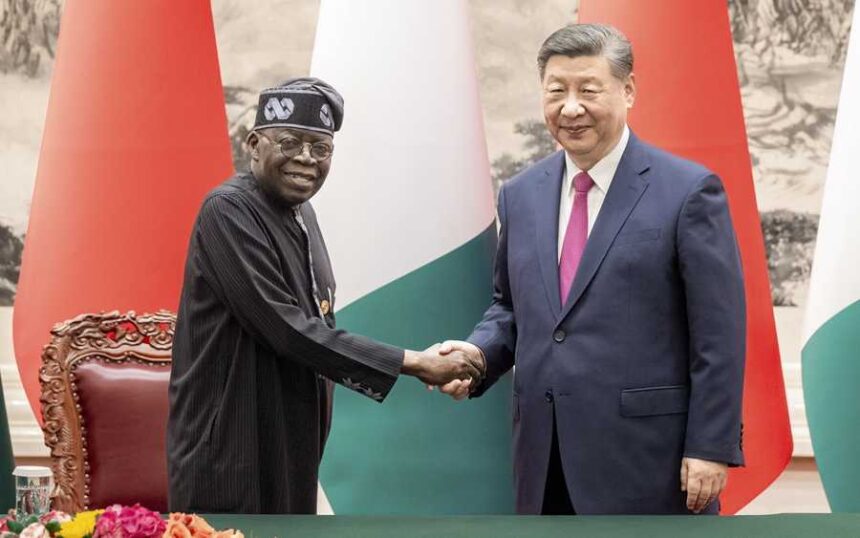
ABUJA — Nigeria and China have agreed to deepen cooperation in the creative economy and tourism as a new frontier in their bilateral relationship. The agreement, announced on Monday following high-level diplomatic consultations, adds culture and entertainment to an economic partnership that has historically focused on infrastructure and oil.
Minister of Art, Culture, and Creative Economy Hannatu Musawa confirmed the development at a press briefing. She said Chinese officials have expressed strong interest in investing in Nigerian film, music, fashion, and digital content industries. Chinese streaming platforms and cultural institutions have identified Nigeria as a priority market in Africa.
The agreement covers co-production of film and television content, tourism exchange programs, and digital platform partnerships that will give Nigerian creative content broader distribution in the Chinese market. Officials said Nigerian music and Nollywood films have already built an audience in China through informal digital channels.
Related News
“China has the largest entertainment market in Asia. Nigeria has the most dynamic creative industry in Africa. Together, we can build something that benefits both our peoples and creates real economic opportunities for our artists,” Musawa said.
Nollywood and China
Nollywood is the world’s third-largest film producer by output. It generates millions of dollars annually and has a growing international audience. Chinese streaming giants including iQIYI and Tencent Video have been expanding their African content libraries. A formal Nigeria-China creative economy partnership would accelerate that process significantly.
Related News
In addition, Nigerian music’s global momentum, illustrated by Burna Boy and Shakira’s FIFA World Cup anthem and Wizkid and Asake’s chart-topping REAL Vol. 1 EP, has raised international interest in the Afrobeats genre. Chinese music platforms are actively seeking African content partnerships to differentiate their catalogs.
Furthermore, tourism is a growth opportunity for both countries. Nigeria receives relatively few Chinese tourists currently. Improved air connections, simplified visa processes, and targeted marketing campaigns could significantly increase Chinese visitor numbers to Nigeria, particularly to Lagos, Abuja, and natural heritage sites across the country.
Broader Context
The creative economy focus fits into a broader rebalancing of the Nigeria-China relationship. China remains Nigeria’s largest trading partner and a major infrastructure investor. However, concerns about the terms of Chinese loans and the dominance of Chinese contractors in Nigerian projects have created political friction in recent years.
Expanding cooperation into the creative economy, which is Nigerian-dominated and genuinely competitive, represents a different kind of partnership than infrastructure contracts. It is one where Nigerian businesses can lead and Chinese capital and platforms serve as enablers rather than owners.
Analysts say the agreement is positive but must translate into concrete deals and measurable outcomes. Previous Nigeria-China cultural cooperation announcements have sometimes produced more diplomatic communiques than actual economic activity. Implementation will be the real test of whether this initiative is substantive or ceremonial.