


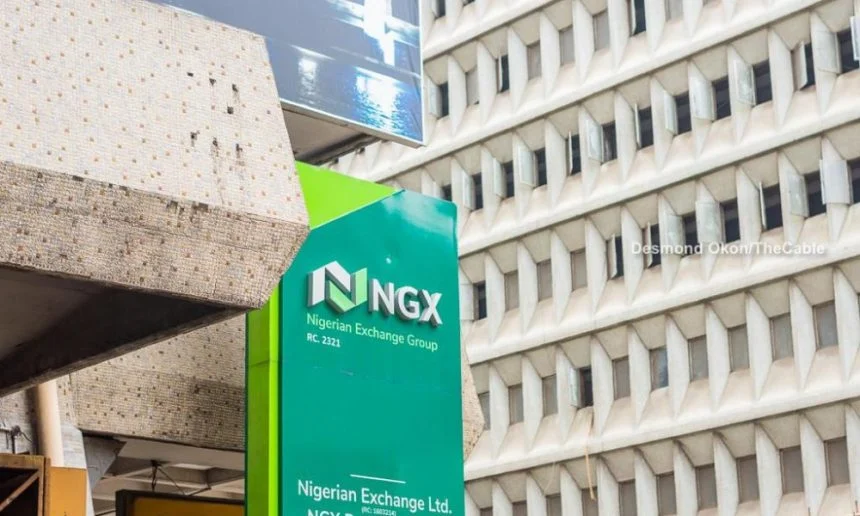
LAGOS — The Nigerian Exchange Group All-Share Index ended the week lower as profit-taking erased the gains made during the earlier part of the trading week. The Guardian Nigeria confirmed the decline, describing it as a technical correction following the market’s recent strong run driven by the S&P credit rating upgrade, the $50 billion reserve milestone, and the launch of the T+1 settlement system on June 1.
Equity analysts said the week’s closing decline is healthy market behaviour rather than a sign of underlying weakness. Institutional investors who had accumulated positions during the bullish rally through May and early June typically sell into strength to lock in gains, creating the kind of orderly correction that resets valuations without triggering panic.
Trading volumes remained moderate, consistent with mid-year positioning as portfolio managers review first-half performance and assess second-half allocations. Banking sector stocks, which led the earlier rally on the back of recapitalisation progress and improved sector health metrics, saw the most notable profit-taking pressure through the week.
Related News
T+1 Bedding In
The T+1 settlement system, which launched on June 1, continues to bed in without significant operational disruptions. Settlement professionals said the first month of T+1 operations has proceeded smoothly, with counterparties adjusting their cash management and operations protocols effectively. Market participants said the improved liquidity from faster settlement is already visible in the way trades are flowing through the system.
Foreign portfolio investors, who had been monitoring Nigeria’s reform trajectory ahead of fresh allocation decisions, appear to be selectively accumulating positions during the current dip. Several offshore fund managers with Nigeria mandates have confirmed they view the current correction as a buying opportunity rather than a reason to reduce exposure.
Related News
Outlook
Analysts said the second half of 2026 will be shaped by three key variables: the trajectory of the 2027 election campaign and its impact on fiscal discipline, the continued performance of the Dangote Refinery and its influence on the current account, and global oil price dynamics given the ongoing Middle East conflict. Each of these factors could accelerate or interrupt the market’s broader upward trend.