

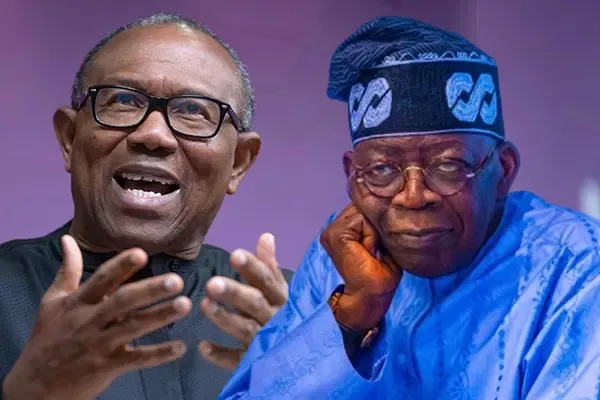
ABUJA — The Presidency has rejected Peter Obi’s claim that President Bola Tinubu added more than N100 trillion to Nigeria’s debt within three years. Presidential aide Dada Olusegun said the figures cited by Obi are misleading and fail to account for the structural factors behind the numbers. Y Naija reported the rebuttal on Tuesday.
Olusegun said a large portion of the increase in Nigeria’s debt profile in naira terms is attributable to the devaluation of the naira following the June 2023 foreign exchange reforms. When foreign debts denominated in dollars are converted to naira at the new exchange rate, the naira figure increases dramatically even without new borrowing. He said this accounting reality is being exploited to make a misleading political argument.
He also noted that the Tinubu administration inherited significant pre-existing obligations, including approximately N20 trillion in Ways and Means debt from the Central Bank that was securitised and brought onto the official books. Including inherited obligations in the current administration’s debt tally, he argued, distorts the picture of new borrowing under Tinubu.
Related News
Obi’s Original Claim
Obi had asserted in a public post that Tinubu’s administration significantly worsened Nigeria’s debt burden in a way that threatens intergenerational economic sustainability. He has consistently framed debt management as one of the key governance failures of the current administration, arguing that the debt trajectory undermines Nigeria’s capacity to fund development.
Fiscal analysts said both sides have legitimate points. The naira explanation is technically accurate and relevant. However, the aggregate debt burden, whether measured in naira or dollars, has grown under the current administration and the cost of servicing that debt is consuming an increasing share of government revenue, a fact the Presidency’s rebuttal does not contest.
Related News
The Numbers on Their Own Terms
Nigeria’s external debt now exceeds $51.8 billion, a figure confirmed independently of any political framing. Debt service costs are consuming over 90 percent of government revenue in some months according to fiscal monitoring data. Whatever the definitional disputes, the practical constraint on government spending that debt service represents is real and tangible for the Nigerians waiting for infrastructure, healthcare, and education investment.