

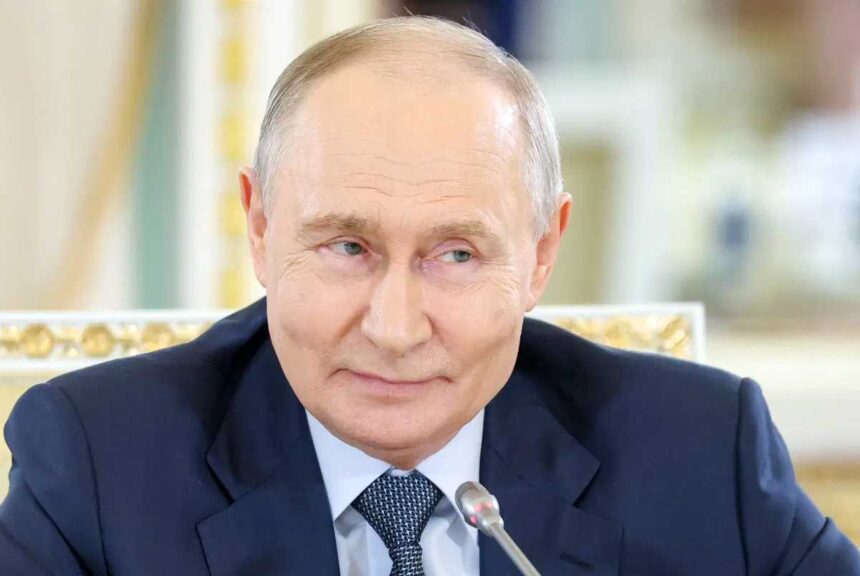
Russian President Vladimir Putin has signed a decree authorizing the addition of 15,500 troops to the country’s armed forces, a move that has drawn global attention amid ongoing tensions in Eastern Europe and beyond.
The Kremlin announced that the expansion is aimed at strengthening Russia’s military readiness and addressing what it described as “emerging security challenges.” The decree, signed over the weekend, increases the official size of Russia’s armed forces to more than 1.3 million personnel.
According to Russian state media, the new troops will be deployed across various units, including ground forces, aerospace divisions, and naval formations. The government insists the measure is necessary to safeguard national interests and maintain stability in regions where Russia has strategic commitments.
Related News
Nigerian foreign affairs analysts, citing information from the Ministry of Foreign Affairs, noted that the development reflects Moscow’s continued emphasis on military strength as a tool of foreign policy. They explained that the expansion could further complicate diplomatic efforts to de-escalate conflicts involving Russia, particularly in Ukraine.
The Nigerian Institute of International Affairs (NIIA) observed that the decree signals Russia’s determination to project power despite international sanctions and criticism. “This is a clear indication that Russia is prioritizing military expansion over diplomatic compromise,” a senior researcher at NIIA stated.
Global reactions have been mixed. Western governments have expressed concern that the troop increase could heighten tensions in Europe. The European Union and NATO officials have warned that Russia’s military buildup undermines efforts to restore peace and stability in the region.
Related News
In contrast, Russian officials argue that the expansion is defensive in nature. They claim the move is designed to counter external threats and ensure the country’s sovereignty. Kremlin spokesperson Dmitry Peskov emphasized that Russia will continue to strengthen its military capacity in line with national security priorities.
Nigerian security experts, referencing the Defence Headquarters in Abuja, highlighted that such developments have implications for Africa as well. They explained that Russia’s growing military posture could influence its engagements on the continent, particularly in countries where Russian private military contractors have been active.
The decree also comes at a time when Russia is facing economic challenges due to sanctions imposed by Western nations. Analysts believe the expansion will place additional strain on the country’s budget, raising questions about sustainability. However, Russian authorities maintain that the military buildup is essential and will be funded through existing allocations.
For Nigeria and other African nations, the development underscores the importance of monitoring global military trends. The Ministry of Defence has repeatedly stressed the need for African countries to strengthen regional cooperation and prepare for potential ripple effects of global conflicts.
As the international community reacts, attention will remain on how Russia integrates the new troops and whether the expansion leads to further escalation in ongoing disputes. For now, Putin’s decree has reaffirmed Russia’s commitment to military strength as a central pillar of its national strategy.