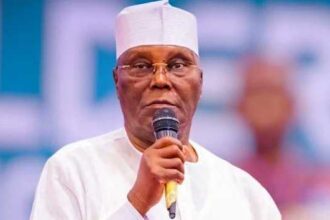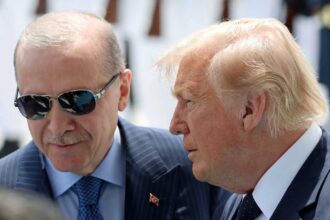


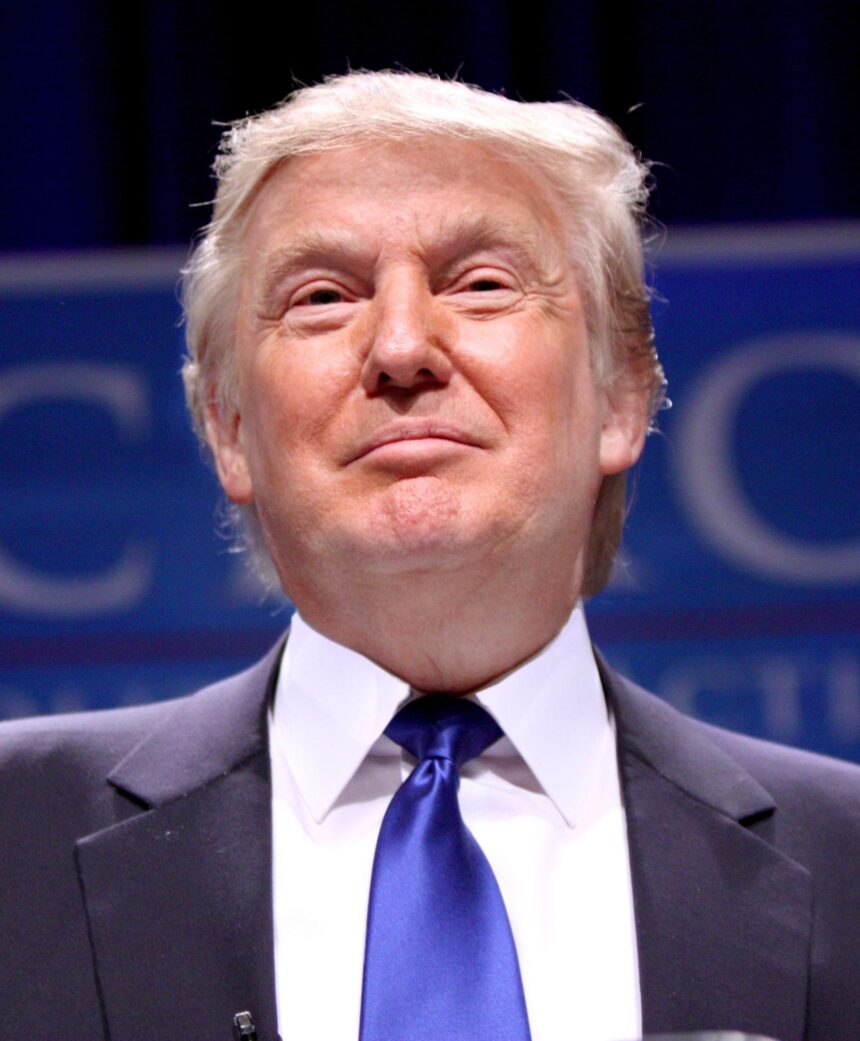
A former member of Nigeria’s House of Representatives has petitioned United States President Donald Trump, seeking a review of the 2006 US congressional investigation that linked former Vice President Atiku Abubakar to alleged corruption.
The petition, which has stirred fresh debate in Nigeria’s political circles, calls for a reassessment of findings from the US Senate Permanent Subcommittee on Investigations that reportedly implicated Atiku in questionable financial dealings. The ex-lawmaker insists that the probe, conducted two decades ago, requires a second look in light of current realities and the need for transparency.
In the petition, the former legislator argued that the 2006 investigation unfairly cast a shadow over Atiku’s political career and Nigeria’s image abroad. He maintained that revisiting the matter would either reaffirm or dispel lingering doubts about the former Vice President’s integrity.
Related News
Atiku Abubakar, who served as Nigeria’s Vice President between 1999 and 2007, has consistently denied any wrongdoing. Over the years, he has described the allegations as politically motivated attempts to tarnish his reputation. His supporters have often pointed to the lack of formal charges in Nigeria or the United States as evidence that the accusations were inconclusive.
The petition to Trump comes at a politically sensitive time, as Atiku remains a prominent figure in Nigeria’s opposition politics. Having contested multiple presidential elections, he continues to be a key voice in national debates on governance, democracy, and economic reforms.
Observers note that the move by the ex-Rep member could reignite discussions about Nigeria’s political accountability and the role of international investigations in shaping perceptions of African leaders. Analysts also highlight that while the US probe was widely reported in 2006, its findings did not translate into direct legal consequences for Atiku, leaving room for speculation and controversy.
Related News
The Presidency in Nigeria has yet to comment on the petition, but political commentators suggest that the development underscores the enduring impact of past allegations on Nigeria’s political landscape. Some argue that the petition is symbolic, aimed more at drawing attention to unresolved questions than expecting a substantive review from Washington.
For many Nigerians, the issue touches on broader concerns about corruption, governance, and the credibility of political leaders. The petition’s timing, addressed directly to President Trump, adds an international dimension to what has long been a domestic political debate.
Whether the US administration will act on the petition remains uncertain. However, the move has already succeeded in reviving public discourse around Atiku’s past and the intersection of Nigerian politics with international scrutiny.
As the story unfolds, Nigerians will be watching closely to see if the petition gains traction in Washington or simply adds another layer to the complex narrative surrounding one of the country’s most enduring political figures.