

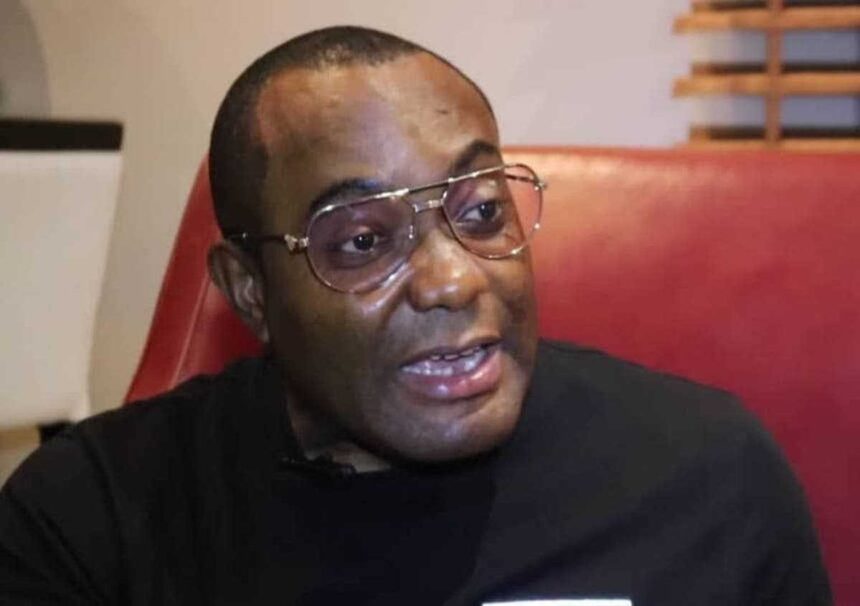
Renowned sports administrator, Ebi Egbe, has called for urgent and radical reforms in Nigeria’s football framework, stressing that the current system is outdated and unable to deliver sustainable success.
Egbe, popularly known as “Monimichelle,” made the appeal while speaking on the state of Nigerian football. He argued that the country’s football administration must be restructured to prioritise accountability, grassroots development, and modern infrastructure.
According to him, Nigeria’s repeated struggles at international competitions are symptoms of deeper structural problems. “We cannot continue with the same framework and expect different results. Nigeria needs a football system that is transparent, accountable, and focused on development,” Egbe said.
Related News
He emphasised that grassroots football should be the foundation of reforms, noting that many countries with strong football cultures invest heavily in youth academies and community programmes. Egbe warned that without such investment, Nigeria risks losing its competitive edge.
Sports analysts agree that Nigeria’s football has suffered from poor planning, inconsistent policies, and inadequate funding. They argue that reforms must address governance issues within the Nigeria Football Federation (NFF) and ensure that resources are properly managed.
Egbe also highlighted the importance of modern infrastructure, including quality pitches and training facilities. He explained that poor playing surfaces have contributed to injuries and reduced performance levels. “If we want to compete globally, we must provide our players with world-class facilities,” he added.
Related News
Civil society groups and football enthusiasts have echoed Egbe’s call, urging the government and football authorities to take decisive action. They argue that reforming the football framework is not only about winning trophies but also about creating opportunities for young Nigerians.
Observers note that Nigeria’s football history is rich, with past successes at youth and senior levels. However, recent challenges, including early exits from major tournaments, have raised concerns about the future of the sport.
Egbe insisted that reforms must be holistic, covering administration, funding, infrastructure, and grassroots development. He urged stakeholders to work together to design a framework that reflects Nigeria’s potential and aspirations.
“The time for cosmetic changes is over. We need radical reforms that will reposition Nigerian football for long-term success,” he said.
As debates continue, stakeholders agree that the future of Nigerian football depends on bold decisions and genuine commitment to reform. For many fans, Egbe’s call represents a reminder that football remains more than a sport—it is a source of national pride and unity.