


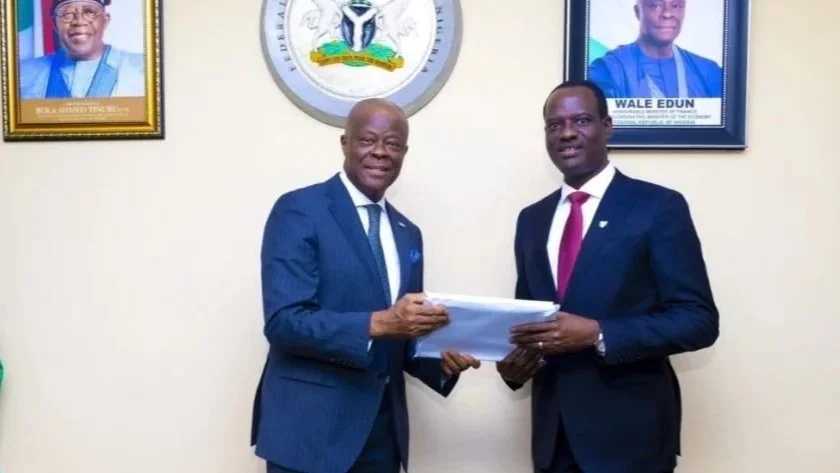
The appointment of Taiwo Oyedele as Nigeria’s new Finance Minister has been widely interpreted by economists, tax practitioners, and financial analysts as signalling a sharper and more reform-oriented shift in the country’s fiscal and tax policy direction, as the Tinubu administration enters the second half of its reform programme.
Oyedele, who previously chaired the Presidential Fiscal Policy and Tax Reforms Committee that drafted the six tax reform laws signed in 2025, brings deep institutional knowledge of the tax system to the ministerial role. Nairametrics described his appointment as one that signals a shift in Nigeria’s fiscal policy approach, with analysts expecting a more assertive push on tax administration, a broadening of the tax base, and the rationalisation of government spending.
Tax Reform Bills Still in Legislature
Related News
Several key elements of Nigeria’s tax transformation remain incomplete, with enabling legislation and administrative frameworks still passing through the National Assembly. Oyedele is expected to use his ministerial platform to accelerate the passage and implementation of remaining reforms, including the overhaul of transfer pricing rules, the expansion of the taxpayer identification framework, and the rationalisation of tax expenditures that currently reduce government revenue.
His appointment follows months in which the Finance Ministry’s management of public debt levels drew scrutiny, including criticism of the federal government’s growing reliance on commercial bank lending and the IMF’s warning against the five-billion-dollar UAE financing arrangement. Oyedele is expected to bring greater policy coherence between the revenue mobilisation agenda and the debt management strategy.
Economists Watch His IMF Engagement
Related News
Furthermore, economists who earlier rejected the IMF’s recommendation to raise VAT and introduce telecom excise duties said they expected Oyedele to maintain a position focused on expanding the tax base rather than raising rates on an already burdened consumer population. Notably, Oyedele publicly opposed rate increases during his time as committee chair, favouring compliance improvement instead. Consequently, his ministerial appointment is being read as a commitment by Tinubu to stay on that path rather than adopt the Fund’s more aggressive revenue prescription.