

The Manufacturers Association of Nigeria has called for collaborative solutions with the government. The association highlighted severe operational challenges facing the sector. These challenges follow three years of major economic reforms.
Segun Ajayi Kadir is the director general of MAN. “While reforms were necessary to correct structural distortions, manufacturers bore a disproportionate adjustment burden,” Ajayi Kadir noted. Alternative energy spending jumped from N781.68 billion in 2023 to N1.34 trillion in 2025.
The increase resulted from fuel subsidy removal and unstable power supply. Capacity utilisation dropped to 57.7 percent in the second half of 2025. The sector lost over 18,900 jobs as a result of these pressures.
Related News
Multiple Challenges Hit Sector
The combination of fuel subsidy removal and exchange rate liberalisation has altered the operating landscape. Electricity tariff adjustments and tighter monetary policy have added to the pressure. Although these measures are essential for stabilising the macro economy, they have increased production costs across the industrial sector.
“The liberalisation of the foreign exchange market has yielded diverse outcomes,” Ajayi Kadir stated. Unification of exchange rate windows has enhanced transparency. However, rapid depreciation of the naira has significantly elevated the cost of imported industrial inputs.
Related News
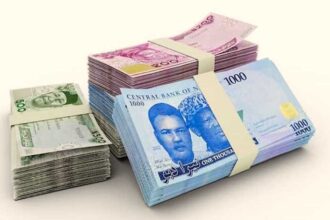
The cost of imported raw materials increased notably from N3.04 trillion in 2023 to N6.64 trillion in 2024. Manufacturing value added declined during this period. Although the Electronic Foreign Exchange Matching System has improved market transparency, manufacturers continue to face challenges in accessing foreign exchange.
Financing Difficulties Persist
The tight monetary policy environment has further complicated matters. Measures aimed at controlling inflation have resulted in higher borrowing costs. Long term investment in the manufacturing sector has become increasingly challenging.
Prime lending rates are averaging 24.4 percent. Maximum lending rates reach up to 33.8 percent. The MAN DG explained that fluctuations in import duty assessments tied to exchange rate volatility have created uncertainty for manufacturers. This unpredictability complicates business planning and contributes to inflationary pressures on domestically produced goods.
MAN advocates a collaborative approach between government and the manufacturing sector. Practical solutions are needed to facilitate sustainable growth, enhance competitiveness, and ensure a resilient industrial landscape for Nigeria.