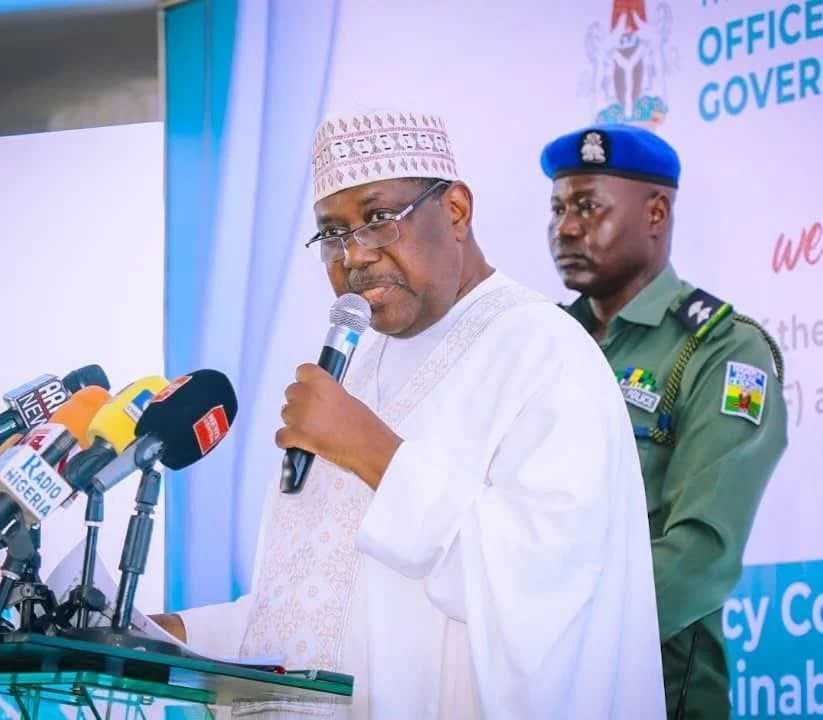
Nigeria currently hosts more than 100,000 refugees and asylum seekers, the majority of whom fled violence and instability in the Lake Chad Basin region, the federal government confirmed this week, reaffirming its commitment to international protection obligations despite the country’s own severe internal security challenges.
Officials from the National Commission for Refugees, Migrants and Internally Displaced Persons said the refugee population represented one of the largest hosted populations in West Africa, with communities settled primarily in Borno, Adamawa, Yobe, Cross River, and the Federal Capital Territory. Most refugees originate from the Central African Republic, Cameroon, Chad, and Niger.
Welfare Commitments Under Pressure
Related News
The federal government pledged to maintain welfare and protection services for the refugee population, including access to education, healthcare, and registration documentation. Officials said UNHCR and international partners were providing significant support, but called for increased global burden-sharing given the scale of Nigeria’s own internal displacement crisis. More than two million Nigerians remain internally displaced due to the Boko Haram insurgency in the northeast alone.
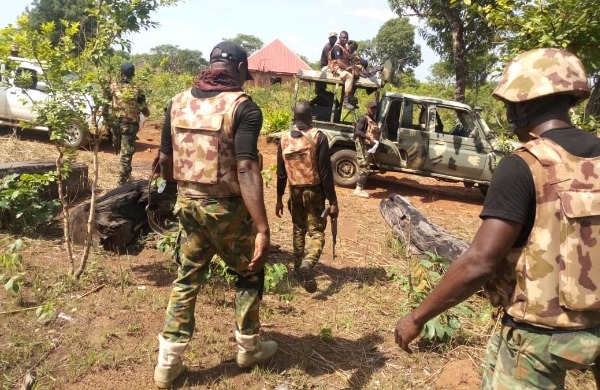
The commitment comes as Nigeria is simultaneously managing significant security challenges that are generating fresh internal displacement. The Plateau State attack that killed 22 people in Bokkos LGA on Sunday is likely to displace additional farming families who can no longer feel safe in their communities. In Zamfara, bandit activity has already disrupted farming in entire districts.
International Obligations Alongside Domestic Crisis
Related News
However, humanitarian organisations said the juxtaposition of Nigeria hosting over 100,000 foreign refugees while millions of its own citizens are internally displaced highlighted the country’s extraordinary humanitarian complexity. Still, the government maintained that honouring international protection obligations was a matter of principle and sovereign responsibility. Notably, the refugee announcement arrived in the same week that former Minister Bianca Ojukwu secured a prisoner transfer agreement with Ethiopia for nearly 100 Nigerian inmates, reflecting a broader diplomatic engagement with the welfare of Nigerians both inside and outside the country’s borders. Consequently, the federal government’s refugee pledge forms part of a wider pattern of international commitments being made while domestic governance challenges remain pressing.